MLM Meaning Slang: Understanding What It Really Means Online
MLM meaning stands for multi-level marketing. It is a business model where people sell products and recruit others. The goal is to earn money from sales and commissions.
You might have seen “MLM” in chats, TikTok comments, or memes. People use it in jokes or warnings online. It often sparks curiosity because it shows pushy or funny behavior.
MLM meaning slang describes aggressive selling or recruitment online. It is about the vibe, not the official company. Many people use it to spot trends, scams, or overly salesy posts.
What Does MLM Mean in Slang?
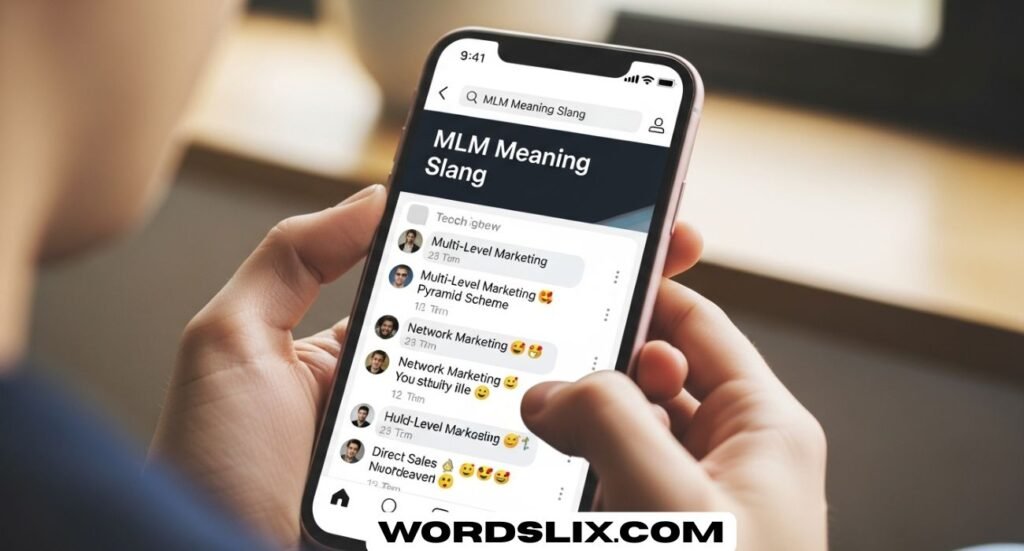
The phrase MLM meaning slang refers to how the acronym MLM, which officially stands for multi-level marketing, is used in casual conversation online. When someone types mlm meaning on social media, they often mean that a post, comment, or behavior feels pushy, repetitive, or sales-oriented. For instance, if your friend keeps sharing links to a new product or team opportunity, a simple “That’s very MLM in chats and comments” may show concern or humor.
In slang, mlm term meaning focuses on tone and intent rather than legality. People use expressions like mlm meaning online or mlm slang examples to describe over-the-top enthusiasm, constant recruitment, or aggressive promotion of products. Understanding mlm slang context allows you to spot the subtle difference between a harmless post and a warning about potential mlm scam meaning, especially in U.S.-based social media conversations.
Origins of MLM as a Slang Term
The slang use of MLM originates from real-world experiences with multi-level marketing companies in the United States. Companies like Amway, Mary Kay, and Herbalife became infamous for pushing people to recruit friends, constantly sell products, and promote unrealistic income goals. This behavior gave rise to the concept of mlm recruitment behavior, which online communities began highlighting with sarcasm and humor.
Online platforms like Reddit, TikTok, and Twitter/X amplified network marketing slang, allowing users to joke about anyone who displayed aggressive marketing slang without officially being part of an MLM company. Over time, multi level marketing slang evolved into a cultural shorthand that reflected both frustration and entertainment, and the term mlm online behavior became a way to identify typical recruiting patterns in the digital space.
Over time, online communities began using “MLM” sarcastically:
Sarcasm became central to mlm slang usage as communities on TikTok and Instagram highlighted overzealous promotion. People often mock repeated posts asking others to join their teams or purchase products, signaling a lighthearted mlm warning slang. Humor became a way to communicate skepticism without directly accusing anyone of wrongdoing.
Memes and short videos helped turn the slang into a recognizable pattern of mlm memes social media, emphasizing the repetitive, exaggerated, and often absurd behavior of recruiters. By observing mlm online behavior, viewers could distinguish jokes, warnings, and commentary on social media trends while participating in shared digital humor.
Read Also ;SA Meaning Slang: What It Means and How to Use It in 2026
MLM in Texts and Social Media: How It’s Used
When examining mlm meaning in text, slang appears in three main forms: warnings, commentary, and humor. For instance, a friend might write, “Stay away from her posts; she’s totally MLMing again,” signaling mlm recruitment behavior. On Instagram or TikTok, creators might comment, “This has major MLM vibe meaning,” which points out a pushy or sales-oriented tone.
People use mlm slang explained to communicate quickly and effectively. MLM meaning on social media often transcends literal business meaning, referring instead to mlm sales tactics and patterns of over-promotion. This shorthand helps viewers identify potential scams, repetitive messaging, or the mlm hustle culture pervasive in online communities.
When reading social media posts or chatting online, here’s how MLM slang appears:
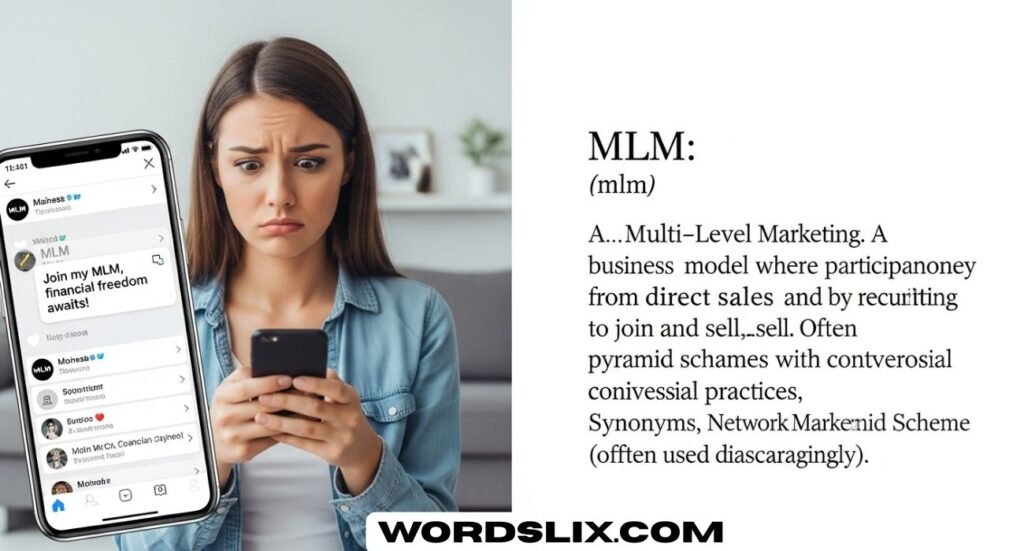
In social media and chat contexts, mlm slang context shows up as warnings, jokes, or subtle commentary. Someone might reply to a post with “MLM energy!” or “This is so MLM,” indicating excessive promotion or recruitment. Similarly, in group chats, asking, “Is this MLM?” flags awareness of mlm recruiting posts without directly accusing anyone.
Memes play a large role in mlm memes social media, often exaggerating lifestyle photos, constant product promotion, or repetitive motivational messages. Recognizing these patterns in mlm online behavior helps users distinguish humor from serious mlm scam meaning alerts while also enjoying the cultural jokes that emerge online.
Common Misconceptions About MLM Meaning Slang
A common mistake is thinking that all uses of mlm slang meaning point to scams. While some MLMs operate illegally and resemble pyramid scheme slang, online slang often targets attitude and repetitive promotion, not legality. People using mlm online behavior to describe someone may simply be noting pushiness or constant sales promotion.
Another misconception is that mlm side hustle meaning applies only to beauty or wellness products. In reality, mlm social media trends show that the slang is applied to any industry with network marketing. Misinterpreting mlm sales tactics may lead someone to wrongly criticize legitimate businesses or miss cues about actual risks.
People often misunderstand MLM slang. Let’s clear up some myths:
Many assume that every MLM meaning memes is negative. While some refer to scams, most describe tone, energy, or behavior. Another myth is that using MLM slang is inherently offensive. Often, it is playful or cautionary, signaling awareness of mlm hustle culture.
Additionally, some people think mlm slang usage applies only online, but it also occurs in texts, emails, and private chats. Recognizing mlm meaning in text helps users navigate social situations and digital interactions more effectively, understanding whether someone is joking, warning, or trying to recruit.
Different Contexts of MLM Usage
MLM meaning slang varies by context. In workplace chats, it might signal annoyance with repeated product pitches. On TikTok and Instagram, it usually appears in memes or commentary about mlm online behavior. Even in family or friend groups, slang can warn about potential scams or highlight the mlm recruiting posts typical in U.S. social media.
The key to understanding mlm slang explained is noticing the tone and intention. MLM in chats and comments often communicates humor, sarcasm, or caution. Recognizing these subtleties allows readers to respond appropriately without overreacting or missing social cues.
MLM meaning slang can vary depending on where you see it:
In workplace chats, mlm recruitment behavior may lead to private jokes or warnings. On TikTok, mlm memes social media exaggerate over-promoted lifestyles. Family Facebook groups might show mlm warning slang, while dating apps and Discord servers reflect subtler network marketing slang.
Awareness of mlm online behavior allows you to interpret each instance correctly. Even casual comments or memes convey patterns in mlm side hustle meaning, helping you understand the underlying social and marketing behaviors present in U.S. digital culture.
Related Slang and Terms to Know
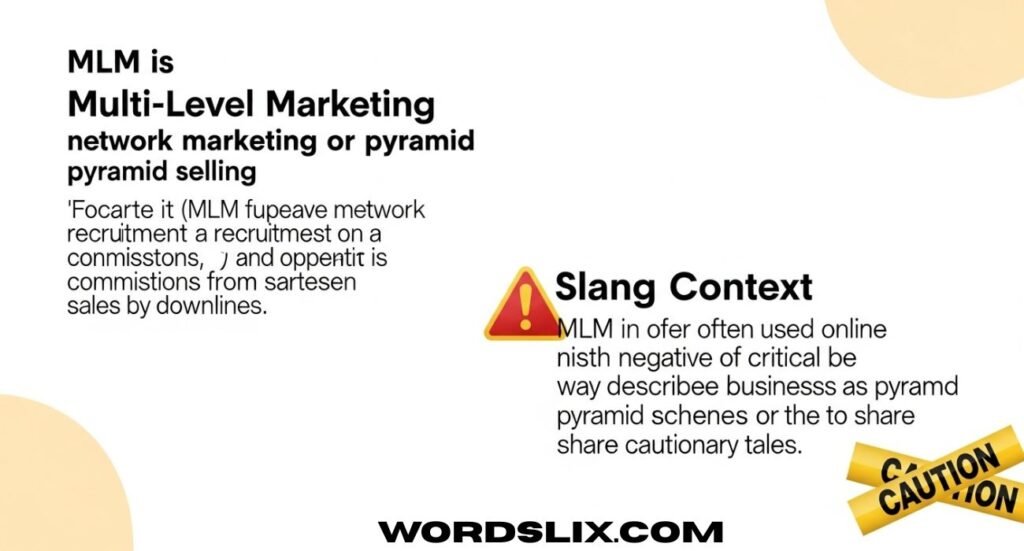
To fully understand mlm slang usage, you need to recognize related terms. Pyramid scheme slang refers to illegal network models, while multi level marketing slang covers legitimate but pushy promotions. MLM hustle culture describes obsessive focus on side income, and mlm sales tactics show common approaches to recruitment and sales.
Knowing these terms provides context for mlm meaning memes and commentary. Online users often use phrases like “financial freedom” or “join my team” to signal mlm recruiting posts or aggressive marketing slang, making it easier to decode mlm online behavior across platforms.
To fully understand MLM slang, it helps to know related terms:
Common terms in mlm slang explained include “team opportunity,” “side hustle,” and “business growth,” often appearing in mlm recruiting posts or network marketing slang. Recognizing these words helps readers distinguish harmless enthusiasm from mlm scam meaning alerts.
Here’s a simple table summarizing common slang:
| Term | Meaning | Online Use |
| Pyramid scheme | Illegal network model | MLM warning slang |
| Side hustle | Small business/freelance work | Meme or commentary posts |
| Hustle culture | Work-focused lifestyle | MLM hustle culture |
| Recruiting posts | Messages asking to join teams | MLM recruiting posts |
How to Recognize MLM Behavior Online
Spotting mlm online behavior involves noticing repetitive sales messages, constant hype language, and frequent recruitment encouragement. People often post screenshots of earnings or emotional testimonials to entice followers. Awareness of mlm recruiting posts helps readers see potential red flags before engagement.
Other signs include overuse of phrases like “team,” “leader,” or “opportunity,” as well as exaggerated lifestyle posts. Recognizing mlm side hustle meaning patterns in these contexts makes understanding mlm meaning online easier and reduces the risk of falling for mlm scam meaning tactics.
Spotting MLM slang in action is easier when you know the signs:
Key signs of mlm slang context include constant product promotion, invitations to join teams, and over-the-top motivational language. Users often post emotional appeals like “This changed my life!” or “You can be financially free too,” which are classic examples of mlm recruitment behavior.
Memes highlighting these behaviors are considered mlm memes social media, often exaggerating the pushiness or tone of typical recruiters. Observing these patterns lets U.S. readers decode mlm slang usage while enjoying the humor embedded in the culture.
Examples of MLM Slang in Real Conversations
Seeing mlm slang examples in action helps understand its meaning clearly. For instance, in a text conversation, a friend might say, “Hey, want to try this amazing product?” and another replies, “Hmm… MLM?” Here, the slang signals skepticism about mlm recruitment behavior without accusing anyone directly.
On social media, a comment like “That tutorial has major MLM vibe meaning 😅” highlights that the creator seems more focused on promoting or recruiting than sharing useful content. Even memes exaggerate behaviors, such as “Me: relaxing. My coworker: joins MLM,” showing typical mlm online behavior humorously. These examples demonstrate how mlm meaning memes and slang integrate into U.S. digital culture.
Differences Between Official MLM and Slang Use
Official MLM refers to a structured, legal business model focused on product sales and recruiting, whereas slang emphasizes tone, behavior, and social perception. MLM slang explained often signals aggressive selling, repetitive recruitment, or exaggerated claims without referencing legality.
Here’s a simple comparison table:
| Aspect | Official MLM | Slang MLM |
| Focus | Product + recruitment | Tone, pushiness, vibe |
| Legality | Legal and regulated | Often sarcastic or cautionary |
| Perception | Business strategy | MLM vibe meaning, aggressive marketing |
| Usage | Company context | Memes, chats, social media posts |
Understanding this distinction allows readers to interpret mlm slang context accurately and avoid mislabeling legitimate businesses.
Why MLM Slang Is Popular Today
The popularity of mlm slang usage comes from the rise of TikTok culture, meme humor, and online skepticism toward recruitment schemes. People use it to share caution, laugh at repetitive posts, or signal awareness of mlm recruitment behavior without heavy explanations.
MLM meaning on social media also thrives because it’s relatable. Many users encounter mlm side hustle meaning posts in their feed, making slang a fast way to communicate shared experiences. Its viral nature spreads mlm memes social media that exaggerate behaviors, turning slang into both a warning and a cultural joke.
The popularity of MLM slang is fueled by:
Short-form content, like TikTok videos and Instagram Reels, spreads mlm online behavior quickly. Online communities on Reddit and Discord popularize multi level marketing slang through humor and memes. Additionally, general skepticism toward sales-heavy lifestyles contributes to mlm warning slang usage.
Memes, jokes, and shared experiences reinforce the slang, allowing U.S. audiences to instantly identify mlm hustle culture and recruitment patterns. This shared understanding makes it easier to navigate online conversations and group chats without confusion.
How to Respond When Someone Uses MLM in Conversation
When someone uses mlm slang context, your response depends on tone. If jokingly, laugh along or share a humorous experience. If serious, ask questions about the company or product before engaging. In casual confusion, simply clarify: “Are you saying this is MLM?”
Recognizing mlm recruitment behavior and mlm online behavior lets you respond intelligently. Comments like, “That post seems MLM-ish—should I be careful?” signal awareness and social literacy while navigating U.S. online communities.
Example:
Consider a text message exchange: Friend: “I just joined this amazing business team!” You: “Hmm… MLM?” This quick use of mlm slang usage flags the behavior without confrontation.
On TikTok, someone might react to a skincare tutorial with: “Major MLM vibe meaning here 😅.” These examples show how mlm meaning memes and slang integrate humor, caution, and social commentary in everyday U.S. online interactions.
Pros and Cons of Using MLM Slang
Using mlm slang explained has both advantages and drawbacks.
Pros: Slang communicates quickly, warns friends about potential scams, and enhances digital literacy. It allows people to joke while staying aware of mlm recruitment behavior, and helps readers understand social media patterns.
Cons: It can mislabel legitimate businesses, confuse newcomers, or appear sarcastic and judgmental. Overuse of mlm social media trends may lead to dismissing legitimate network marketing slang opportunities. Understanding context is key.
Tips to Avoid MLM Scams Online
To protect yourself from mlm scam meaning, research the company before joining. Check reviews, complaints, and regulatory status. Avoid aggressive recruiters and understand the business model clearly. Trust your instincts when something feels like mlm recruitment behavior or excessive mlm sales tactics.
Recognizing mlm online behavior and common mlm recruiting posts lets you enjoy memes and humor without falling into scams. Knowledge of slang serves as both a cultural tool and practical warning.
Key Cultural References and Expert Insights
Experts in linguistics and digital culture note that mlm slang usage reflects societal attitudes toward entrepreneurship, capitalism, and influence. The slang highlights both admiration and criticism of mlm hustle culture and provides a lens to study behavior patterns online.
Researchers find that the popularity of mlm meaning memes and mlm online behavior is fueled by shared digital experiences and a desire to communicate efficiently. By understanding mlm slang context, readers grasp how language evolves in response to trends and social awareness.
Fun Facts About MLM Slang
The term MLM vibe meaning now appears more frequently in memes than the official term “pyramid scheme.” Some influencers even embrace mlm slang explained to critique their own recruitment posts humorously. Online dictionaries have started including entries for mlm slang meaning, reflecting its growing cultural significance.
Memes and jokes often exaggerate mlm side hustle meaning or mlm recruiting posts, turning them into viral content that both entertains and educates about typical mlm recruitment behavior in U.S. social media.
How MLM Slang Reflects Modern Online Culture
The rise of mlm slang explained mirrors the way social media shapes language in the U.S. People use mlm meaning memes to share humor, frustration, or warnings about pushy posts. Online platforms like TikTok, Instagram, and Reddit spread these terms quickly, turning niche experiences with mlm recruitment behavior into shared cultural jokes. The slang communicates more than literal business ideas—it conveys social tone and context.
MLM slang usage also reflects skepticism toward quick-money promises and mlm hustle culture. Users recognize repetitive recruitment posts or over-the-top motivational content instantly. Through jokes, memes, and commentary, the slang educates audiences while entertaining them. Understanding mlm online behavior in this cultural lens helps readers spot patterns and participate in shared online humor responsibly.
How MLM Slang Differs Across Platforms
MLM meaning on social media changes depending on the platform. On TikTok, short videos highlight mlm vibe meaning with exaggerated reactions to recruiting posts, while Instagram users post memes showing pushy behaviors. Reddit often uses network marketing slang in longer discussions, warning members about mlm scam meaning or sharing personal experiences with aggressive marketing tactics.
Even in private chats, mlm in chats and comments appears in casual warnings like “That’s very MLM.” The tone varies, but the message stays clear: these behaviors are pushy, repetitive, and sometimes manipulative. Recognizing mlm recruiting posts across platforms helps readers understand cultural nuances and communicate effectively online without misunderstanding the slang.
MLM Slang and Humor: Why Memes Work
Humor drives the popularity of mlm meaning memes in U.S. social media. Memes exaggerate mlm sales tactics or recruitment energy to make them relatable and entertaining. For instance, a meme showing a friend “relaxing while their coworker joins MLM” highlights mlm online behavior humorously, turning annoyance into shared laughter.
MLM slang context in memes also educates. While viewers laugh, they learn to spot mlm recruitment behavior and aggressive marketing slang. The playful tone allows users to discuss scams or pushy posts lightly. As a result, memes bridge humor and awareness, making slang both practical and culturally relevant.
Common Phrases in MLM Slang
Several repeated phrases define mlm slang usage online. Words like “join my team,” “financial freedom,” and “opportunity” often appear in mlm recruiting posts. Repeated exposure to these terms signals mlm side hustle meaning and aggressive promotion, even without mentioning official companies.
Understanding mlm online behavior includes recognizing subtle hints, like posts showcasing “team leaders” or “life-changing products.” Users who spot these phrases can identify mlm vibe meaning and avoid being misled. Knowledge of common terms empowers readers to interpret content humorously or cautiously while participating in mlm memes social media trends responsibly.
How MLM Slang Affects Young Audiences
Younger U.S. audiences encounter mlm slang explained frequently on TikTok, Instagram, and Snapchat. Teens and young adults may see mlm online behavior in humorous videos, memes, or friends’ posts, often associating the slang with pushiness or manipulative tactics rather than legal companies.
Exposure also shapes understanding of mlm hustle culture. Recognizing mlm recruiting posts or network marketing slang teaches younger users to differentiate between jokes and real scams. This cultural awareness helps them interact online safely, understand social nuances, and avoid being pressured into mlm side hustle meaning opportunities that might be exploitative.
Using MLM Slang in Professional Contexts
In professional chats, mlm slang usage can signal awareness of mlm recruitment behavior without offending colleagues. For example, noting “This sounds a bit MLM” in Slack highlights over-promotion in a neutral, humorous way. MLM meaning on social media carries the same cautionary tone in professional LinkedIn groups.
Even so, professionals must choose words carefully. Overusing mlm memes social media or mlm online behavior in corporate emails might appear sarcastic or judgmental. Understanding the subtleties of mlm slang context allows users to comment responsibly while signaling awareness of mlm sales tactics and maintaining workplace decorum.
Tips for Using MLM Slang Effectively
Using mlm slang explained effectively requires understanding tone and context. In jokes or memes, the slang can highlight mlm online behavior and mlm recruitment behavior while keeping interactions lighthearted. Overuse or misinterpretation may confuse audiences or appear judgmental.
For accurate communication, pair mlm meaning in text with examples or explanations. Recognizing mlm vibe meaning or mlm side hustle meaning ensures the audience interprets the term correctly. Awareness of mlm memes social media and context helps readers participate in digital culture responsibly and enjoyably.
The Future of MLM Slang
As social media evolves, mlm slang usage will likely continue growing in U.S. culture. Short videos, memes, and chat platforms will create new expressions for mlm recruitment behavior, aggressive marketing slang, and mlm hustle culture. The slang may even expand beyond its original meaning into broader digital humor.
Future trends in mlm meaning memes will emphasize tone, exaggeration, and cultural commentary. Users who understand mlm online behavior and mlm recruiting posts will be better prepared to interpret slang, enjoy jokes, and navigate social media safely. Knowledge of mlm meaning on social media ensures slang remains informative, funny, and socially aware.
FAQs
What does MLM mean in slang?
In slang, MLM refers to pushy sales, recruiting, or a “vibe” like aggressive marketing, not the official business.
Is MLM always a scam?
No, slang doesn’t always mean scam. It often points to over-the-top sales or recruitment behavior.
Where do people use MLM slang?
People use it in chats, TikTok, Instagram, memes, or online posts to describe salesy or recruiting behavior.
How can I spot MLM behavior online?
Look for posts about quick money, team recruiting, hype words, or constant product promotion.
Conclusion
Understanding mlm meaning slang helps people read online posts, chats, and memes carefully. It shows when someone is being too pushy or trying to recruit others. Knowing this slang keeps you safe from scams and confusing messages. Many people use mlm meaning slang to warn friends, share jokes, or explain salesy behavior online. This slang is common on social media, and seeing it often helps you understand the tone of a message quickly.
Using mlm meaning slang correctly makes conversations clearer and smarter. It helps you notice aggressive marketing, team recruiting, and repetitive posts. The slang also makes jokes funnier and warnings easier to spot. Learning it gives you knowledge, confidence, and safety when reading online content about sales or business.