TMB Meaning for Texting: Everything You Need to Know in 2026
TMB Meaning for Texting is a short form that means text me back. People use it in chat, messaging apps, and social media. It helps send quick and easy messages without typing long sentences.
Many people see TMB in messages and wonder what it means. It is very common in daily online communication. Knowing it makes texting faster and more fun.
TMB Meaning for Texting is used in casual conversations with friends or family. It can also show care, urgency, or friendliness. Learning it helps you stay part of modern texting culture.
What Does TMB Mean in Text?
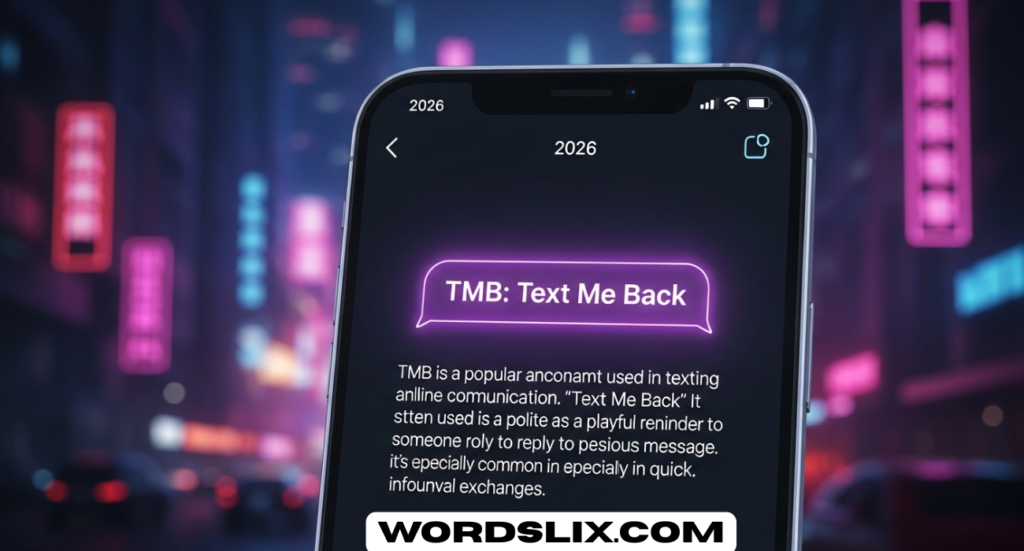
In modern texting and chat conversations, TMB is one of the most popular acronyms people use to ask someone to text me back. It appears frequently in social media messages, messaging apps like WhatsApp, Snapchat, and Instagram, and even in SMS. The tone of TMB is casual and friendly, making it perfect for quick messaging without typing long sentences or explanations.
Understanding TMB meaning is essential for smooth online communication, especially in informal conversation among friends or young people. While TMB primarily means text me back, it can have alternative meanings depending on context. Recognizing the correct interpretation helps prevent confusion and keeps digital conversations flowing naturally, sometimes enhanced by emoji.
Why People Use “TMB” Instead of Writing the Full Phrase
People often choose TMB over writing “text me back” because texting culture values speed and brevity. Writing the full phrase can feel formal, whereas TMB keeps messages short, casual, and friendly. This is especially useful in rapid-fire text exchanges where a quick reply is needed to maintain conversation.
Social trends and peer influence also contribute to its popularity. Using TMB aligns with modern digital language, showing familiarity with internet slang and social media norms. In informal chat, it signals friendliness and efficiency, making communication smoother while maintaining emotional undertones, like care or urgency, in messages.
Is TMB Rude?
The tone of TMB depends on how it’s used. Most of the time, it is not rude. For example, “TMB when you’re free” shows politeness and casual intent, while “TMB now” could feel impatient. Understanding context is essential to avoid misreading emotional cues, especially in online communication where emoji often adds nuance.
Knowing the TMB meaning in relation to conversation tone is critical. While casual use is common among young adults, it may seem disrespectful to older adults or in formal messages. Proper interpretation ensures that texting remains friendly and efficient across different digital communities.
When to Use TMB (With Real-Life Situations)
TMB works best when you need someone to reply quickly without writing long explanations. In texting, it allows messages to remain casual while keeping communication clear. Whether in social media, messaging apps, or daily chat, TMB saves time and conveys urgency, curiosity, or affection efficiently.
Using TMB also shows consideration for the recipient’s time. It balances clarity and digital language style in modern messaging, making it easier to maintain active conversations. From rapid-fire text in friend groups to brief emoji-enhanced messages, TMB keeps people connected while staying polite and friendly.
1. When You’re Busy
When you’re in a hurry, TMB helps you send a message without typing long sentences. Saying, “Running into class. TMB after you check the schedule” communicates clearly and politely. The casual tone allows the recipient to respond at their convenience without feeling pressured.
This usage reflects the flexibility of texting culture. Many young adults rely on TMB to maintain conversation during busy schedules. It shows efficiency and respect for the recipient’s time while keeping digital communication smooth and quick.
2. When You Need Confirmation
TMB is useful when you need a simple reply to confirm plans, tasks, or information. For instance, “Ordered the food. TMB if you want anything” keeps the conversation clear and avoids confusion. The tone conveys expectation without being pushy or rude.
Context and emoji often guide interpretation. Adding a smiley or thumbs-up can make the message more casual or friendly. This shows how internet slang and digital language can balance efficiency with emotional expression in messaging apps.
3. When Texting Someone You Chat With Regularly
In everyday chat, TMB is often used among friends, family, or partners. A message like “All good? TMB when you wake up 😍” signals casual engagement while showing care or affection. Emoji adds emotional depth, influencing the tone of conversation.
Frequent use of TMB reflects social trends in modern messaging. It streamlines communication, allowing users to stay connected without long explanations. In digital communities, such shorthand helps maintain relationships efficiently while embracing internet slang.
4. When You Want to Keep the Conversation Going
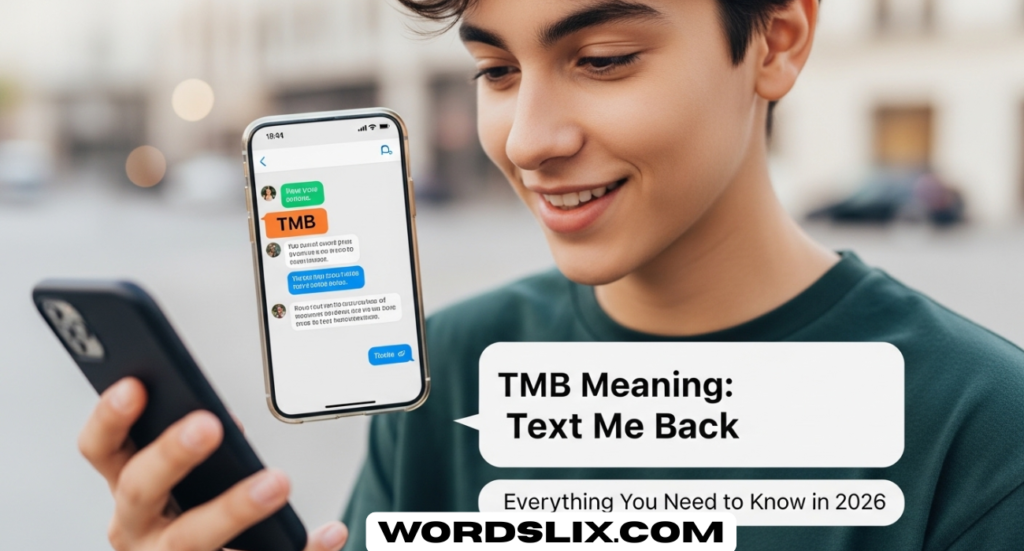
TMB can encourage someone to stay engaged in a conversation. For example, “Tell me when you’re home. TMB!” invites a reply politely while keeping chat lively. It ensures the conversation continues smoothly without overwhelming the other person with messages.
In texting culture, maintaining flow is important. Using TMB helps sustain rapid-fire text exchanges and fosters connection in both casual social media interactions and personal online communication. Its flexibility makes it ideal for modern, fast-paced messaging apps.
When Not to Use TMB
Although TMB is common in casual chat, it is not suitable for professional messages. Sending TMB to a manager or in formal communication may appear lazy or disrespectful. Full sentences, like “Please text me back when possible,” are better for clarity and professionalism.
Avoiding TMB in formal situations ensures the interpretation of your message is correct. Misusing TMB can create confusion or negative impressions, particularly among older adults or in work-related communication, where precision and politeness are more important than casual brevity.
All Common Meanings of TMB (Complete List)
| Meaning | Context | Example |
| Text Me Back | Everyday chatting | “TMB when you arrive” |
| Too Much Booze | Party slang | “Last night… TMB 😂” |
| Tell Me Baby | Romantic / flirty tone | “Where are you? TMB 😘” |
| The Money Boys | Group nickname / slang | “TMB is meeting later” |
| Try Me Bro | Playful or arguing tone | “You think you’re better? TMB” |
| That Might Be | Logical reasoning | “TMB the reason for this” |
| The Midnight Beast | U.K. music reference | “Listening to TMB tonight” |
| Take Me Back | Romantic / emotional | “I miss us… TMB” |
This table clarifies multiple TMB meanings and helps readers apply the correct interpretation based on context and tone.
How to Know Which Meaning Is Correct
Determining the correct TMB meaning requires attention to context, conversation, and tone. If someone writes, “I miss you… TMB 😍,” it probably means Take Me Back, while “Sent the files. TMB asap” clearly means text me back. Emoji can change the emotional tone, influencing how the message is read.
Understanding digital language and texting culture helps avoid mistakes. Awareness of peer influence and social trends allows accurate interpretation across different messaging apps and social media platforms. Knowing context ensures that online communication remains smooth and emotionally appropriate.
Real Examples of “TMB” in Sentences (Different Scenarios)
In casual chat, people often write messages like, “Hey, TMB when you’re done with the movie,” keeping communication friendly and short. In a romantic / cute tone, you might see, “Goodnight, baby. TMB in the morning 😍,” adding emoji to express affection. Among friends chatting, playful messages like, “LOL you’re wild. TMB once you reach home” keep conversations fun.
When checking in, a message such as “Just making sure you’re safe. TMB” communicates care, while in study / school contexts, “Sent you the notes. TMB if you need the rest” ensures clarity. For shopping, “I’m buying snacks. TMB if you want anything specific” keeps things organized. These examples show how TMB adapts to different context, tone, and conversation.
Casual Chat
Using TMB casually helps maintain light, friendly conversation without adding pressure. A simple “TMB when you can” allows someone to respond at their pace, making texting efficient and stress-free. The casual tone is perfect for social media, messaging apps, or group chat scenarios.
In digital communities, this usage is common among young adults, who value speed and clarity in modern messaging. It also reflects the influence of internet slang and rapid-fire text culture, helping conversations flow naturally across platforms like Snapchat and WhatsApp.
Romantic / Cute Tone
In romantic or flirty conversation, TMB adds emotional depth. Phrases like “TMB 😘” or “TMB when you wake up 😍” use emoji to communicate affection, urgency, or playful tone. This form of digital language strengthens emotional connection while keeping messages short and readable.
Romantic texting often uses TMB alongside other acronyms or emojis. Its compact form conveys care and interest without overwhelming the recipient, demonstrating how internet slang enhances emotional expression in online communication.
Friends Chatting
Among friends, TMB keeps conversation fast, funny, and engaging. Sending “TMB once you get home” ensures everyone stays informed without long explanations. The casual nature aligns with texting culture, where brevity and speed are valued.
In these scenarios, TMB meaning can also carry playful nuances, like joking, teasing, or signaling attention. This flexibility shows how digital language, social trends, and peer influence shape modern chat.
Checking In
Using TMB to check on someone expresses care and attentiveness. Messages like “TMB if you’re safe” or “TMB once you arrive” combine clarity with emotional tone. The emoji often highlights affection or concern, guiding proper interpretation.
Checking-in messages reveal how texting balances casual conversation with emotional nuance. Young adults frequently rely on TMB in messaging apps and social media to stay connected with friends or loved ones efficiently.
Study / School
In academic chat, TMB helps students coordinate quickly. For example, “Sent you the notes. TMB if you need the rest” communicates urgency without overloading the recipient. This usage keeps messages concise while maintaining clarity in online communication.
Teachers or classmates unfamiliar with slang may require full phrases, highlighting how TMB meaning depends on context and audience. Still, among peers, it demonstrates efficiency, aligning with digital language norms and modern messaging habits.
Shopping
In shopping or coordination contexts, TMB streamlines communication. “I’m buying snacks. TMB if you want anything specific” ensures everyone’s preferences are accounted for quickly. It also prevents multiple follow-up texts, showing the efficiency of rapid-fire text.
The casual tone maintains friendliness while conveying urgency when needed. Using TMB here reflects broader texting culture trends, where brevity, clarity, and emotional context are key to effective online communication.
A Small Table Explaining TMB Meanings and Contexts
| TMB Meaning | Usage Context | Example |
| Text Me Back | Everyday casual chatting | “TMB when you arrive” |
| Too Much Booze | Party slang / humorous | “TMB 😂 last night” |
| Tell Me Baby | Romantic or flirty messages | “TMB 😘” |
| Take Me Back | Emotional / relationship tone | “I miss us… TMB” |
| Try Me Bro | Playful or arguing tone | “You think you’re better? TMB” |
| That Might Be | Reasoning or logical use | “TMB the reason for this” |
This table clarifies TMB meaning in various contexts, helping readers avoid misinterpretation in both casual and emotional conversation.
How TMB Became Popular in Texting Culture
TMB gained popularity with the rise of SMS texting and early phone keypads, where typing full phrases was inconvenient. The growth of messaging apps like WhatsApp, Snapchat, Instagram, and TikTok further cemented TMB in texting culture. Short forms allowed people to communicate efficiently in rapid-fire text and maintain conversation flow.
Cultural trends also played a role. Peer influence and global social trends helped TMB spread across digital communities, becoming a recognizable part of internet slang. Today, it’s common among young adults, while older adults use it less frequently or sparingly, showing generational differences in online communication.
Why “Text Me Back” Is So Emotionally Loaded
Even though TMB is short, it carries emotional weight. A simple “TMB 😍” can express affection, care, or curiosity, while “TMB asap ⚡” conveys urgency. Context and emoji help readers interpret whether a message is friendly, flirty, or serious.
Emotional nuances in TMB reveal how digital language allows texting to convey complex feelings quickly. Understanding the tone and context ensures proper interpretation in both casual and emotionally sensitive conversation, keeping modern messaging meaningful.
How Teens and Young Adults Use TMB Differently
Young adults often combine TMB with emoji, other acronyms, and short phrases in rapid-fire text. Phrases like “TMB asap 🔥,” “TMB rn,” or “TMB fr” demonstrate speed, efficiency, and social awareness. The tone is usually casual, playful, or flirty.
Older adults tend to use TMB sparingly or not at all. Understanding generational preferences is key for accurate interpretation. Social habits, peer influence, and familiarity with internet slang determine how TMB is received in different digital communities.
TMB in Social Media: Instagram, TikTok, Snapchat & More
Snapchat
On Snapchat, TMB is commonly used in streaks or ongoing chat conversations. Messages like “Sent you a snap. TMB” keep the conversation moving and show attention without requiring long explanations. Emoji often enhances tone.
Instagram DMs
In Instagram DMs, TMB keeps chats active and engaging. “TMB when you see this 😍” signals casual friendliness or affection. The abbreviation fits the informal nature of social media conversation and encourages quick messaging.
TikTok comments
TMB appears humorously in TikTok comments, often paired with trends or memes. For example, “Bro said TMB like I wasn’t already typing 💀” shows playful sarcasm. Its usage reflects how internet slang integrates into digital culture.
WhatsApp / iMessage
On WhatsApp or iMessage, TMB is used daily for coordination, casual chat, and group conversations. Messages like “On my way. TMB” demonstrate efficiency, clarity, and casual tone, highlighting the importance of TMB in modern messaging.
How TMB Reflects Modern Texting Culture
TMB shows how digital language evolves in modern messaging. Short acronyms like this allow people to communicate quickly across social media, messaging apps, and SMS. The casual, friendly tone makes online communication efficient, while the use of emoji adds emotional context, showing the flexibility of internet slang in everyday chat.
This shorthand also reflects generational differences in texting culture. Young adults often rely on TMB in rapid-fire conversation, while older adults may prefer full phrases. The acronym embodies social trends, peer influence, and the speed-focused nature of modern communication, keeping messages simple yet expressive across platforms like Snapchat, TikTok, and Instagram.
Understanding the Emotional Nuances of TMB
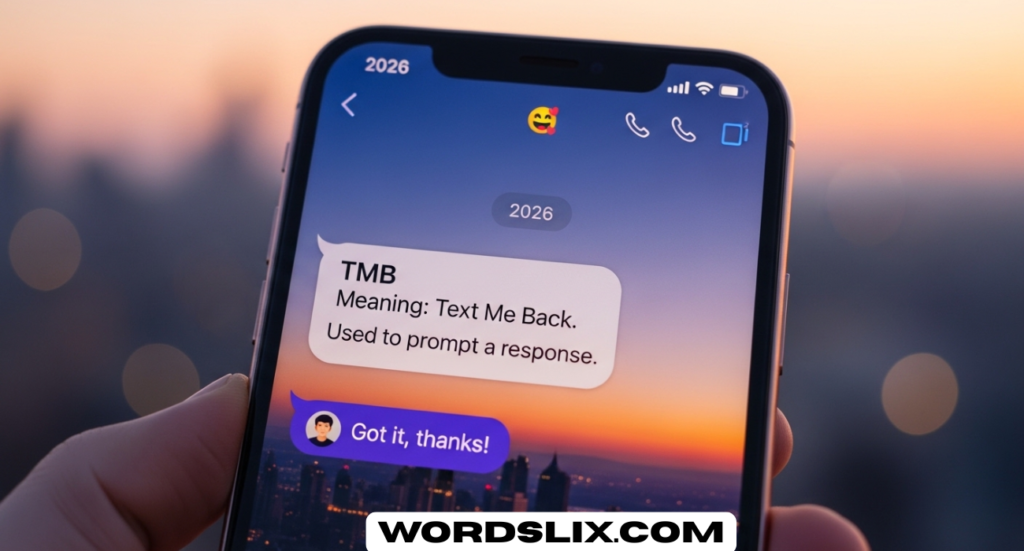
Even a small acronym like TMB carries emotional weight in texting. A message like “TMB 😍” can express affection, care, or curiosity, while “TMB asap ⚡” conveys urgency. Emoji often defines the tone of the conversation, helping readers interpret meaning accurately in casual or emotional chat.
The emotional depth of TMB illustrates the power of digital language. Using the acronym thoughtfully maintains friendly or flirty tones without being overbearing. Recognizing context ensures proper interpretation, demonstrating how internet slang combines efficiency and emotional subtlety in everyday online communication.
The Role of TMB in Group Chats
In group chats, TMB keeps conversations organized and flowing smoothly. Messages like “TMB if you’re bringing snacks” quickly gather responses without confusion. The casual and concise nature of TMB ensures that everyone in chat understands the request while maintaining a friendly tone across participants.
Young adults often use TMB in rapid-fire group conversation, combining it with emoji for added clarity or humor. Its adoption highlights texting culture trends and digital communities’ influence on communication. Using TMB correctly helps manage multiple messages efficiently, keeping the group engaged and connected across messaging apps.
How TMB Enhances Flirty Conversations
TMB often adds subtle flirty tone in online communication. Sending “TMB 😘” signals interest while keeping the conversation light and playful. The short format avoids pressure while expressing attention, making it perfect for romantic chat in messaging apps and social media platforms.
Combined with emoji, TMB strengthens emotional nuance. It allows young adults to show affection without overexplaining, maintaining casual charm. This demonstrates how internet slang supports intimacy and friendliness in digital language, blending efficiency with emotional depth to create a natural, expressive texting culture.
TMB vs Traditional Texting Phrases
Compared to writing “text me back” fully, TMB is faster, friendlier, and less formal. It fits perfectly in casual chat and messaging apps, ensuring that messages are short yet clear. Using acronyms like TMB reflects the digital language trends shaping modern online communication.
Full phrases may feel formal or distant, especially in rapid conversation. TMB conveys urgency, friendliness, and casual tone simultaneously. Understanding when to use the acronym over traditional texting phrases highlights the impact of internet slang and social trends on texting culture in both personal and group messages.
The Global Reach of TMB in Social Media
TMB isn’t limited to the USA; it’s used worldwide in social media and messaging apps. Its meaning adapts depending on culture, context, and tone. For example, in Asia, it might appear in romantic chat, while in Europe, it can appear humorously, showing how digital language evolves globally.
Understanding TMB meaning internationally helps avoid misinterpretation in cross-cultural conversation. Its flexible use in emoji-enhanced messages demonstrates how internet slang bridges cultural gaps while maintaining clarity. Young adults and digital communities worldwide use it to keep online communication casual, quick, and friendly.
How Peer Influence Drives TMB Usage
The popularity of TMB spreads quickly through peer influence. Friends and social groups encourage shorthand use in messaging apps, shaping texting culture and digital communication habits. Seeing others use TMB in social media or chat encourages adoption across young adults.
Peer influence also affects tone, emoji use, and context. When everyone uses TMB for quick replies, it becomes the norm in rapid-fire text exchanges. This demonstrates the power of digital communities and social trends in promoting internet slang and shaping everyday online conversation.
Using TMB in Emergency or Urgent Messaging
In urgent conversation, TMB signals the need for a quick reply without overcomplicating messages. For example, “Running late. TMB asap ⚡” communicates urgency clearly and efficiently. The concise format is ideal for messaging apps where quick communication matters most.
Pairing TMB with emoji enhances clarity and emotional tone. In such scenarios, understanding context and tone ensures recipients interpret urgency correctly. This shows how digital language allows fast, efficient online communication, even when emotions or practical needs are involved.
Common Misunderstandings of TMB
Many people assume TMB always means “text me back,” but it can vary depending on context. Messages like “TMB 😍” might mean Take Me Back in romantic chat, while “TMB 😂” might refer to Too Much Booze in casual party conversation. Misreading tone can cause confusion.
Awareness of social trends, emoji, and digital communities helps prevent mistakes. Young adults often interpret TMB meaning correctly, while older adults may struggle. Understanding these nuances ensures accurate online communication and avoids miscommunication in messaging apps, social media, or SMS conversation.
The Future of TMB in Digital Communication
As texting culture evolves, TMB will continue to adapt. Its brevity, casual tone, and emotional flexibility make it ideal for rapid-fire text, messaging apps, and social media platforms. Combining acronyms with emoji ensures efficient yet expressive online communication.
Future trends may include integration into new platforms, AI-driven chat, or hybrid forms combining TMB with other internet slang. Its continued use highlights how digital language evolves, reflecting changing social trends, generational habits, and the ongoing importance of clear, friendly, and emotionally nuanced chat.
FAQs
What does TMB mean in texting?
TMB mainly means text me back, used to ask someone to reply quickly in chat, messaging apps, or social media.
Can TMB be flirty?
Yes, TMB can convey a flirty tone when paired with emoji like 😘 or 😍 in casual conversation.
Does TMB have other meanings?
Depending on context, TMB can also mean Too Much Booze, Take Me Back, Tell Me Baby, or Try Me Bro in informal chat.
Should I use TMB in professional messages?
No, TMB is casual and best for online communication among friends; full phrases like “please text me back” suit professional messages.
Conclusion
TMB Meaning for Texting helps people communicate faster and better in chat, messaging apps, and social media. TMB usually means text me back, but it can also have other meanings depending on context, tone, and emoji. Using TMB correctly makes online conversation polite, friendly, and clear. Young people use it a lot for quick messaging with friends, family, and partners.
Knowing the different ways to use TMB also avoids confusion. It works best in casual chat and digital communication, but not in professional messages. Learning the meaning of TMB helps readers send the right message, express care, and stay part of modern texting culture. It keeps conversations smooth and fun.