BSF Meaning in Text: What It Really Means in Modern Messaging
BSF Meaning in Text stands for Best Friend. People use it in messages and social media. It shows trust, closeness, and care between friends.
You might see BSF in texts, captions, or chats every day. It is short and simple. Everyone uses it to show they value their friends.
BSF helps friends share feelings quickly. It works in casual texting and online conversations. Using it keeps messages friendly and meaningful.
What Is the Meaning of BSF in Text?
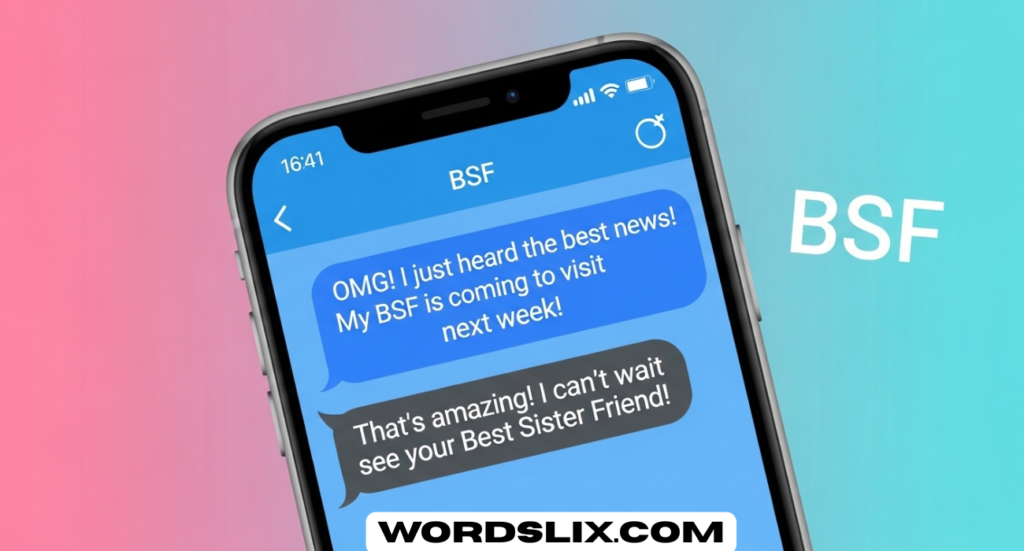
The BSF meaning in text is straightforward but emotionally rich. It stands for Best Friend and conveys loyalty, trust, and closeness. Unlike older abbreviations, it has become part of modern texting culture, used in casual chats, group chats, and social media posts. Understanding this term helps users communicate feelings efficiently while keeping their messages short and meaningful.
In digital communication, BSF is widely recognized among teens, young adults, and social media users. It signals a deep emotional bond and personal relationships without needing long explanations. Using BSF in online conversations can make friendships feel stronger and more genuine, providing a shorthand for love, trust, and emotional closeness in everyday texting.
Read Also;SNM Meaning in Text – Understanding Modern Slang and Its Uses
BSF Full Form in Texting and Chat Language
BSF is an abbreviation for Best Friend, used primarily in texting and messaging apps. Unlike traditional labels, BSF conveys emotional depth in fewer letters, making it ideal for fast digital communication. Its rise reflects the popularity of short forms and slang that blend simplicity with emotional connection. Using BSF helps express trust and loyalty in informal settings.
The full form of BSF allows users to maintain clarity in online conversations while showing care and closeness. People often include emojis alongside BSF to enhance emotional meaning, making casual texting feel more like real-life interaction. Its use in chat language highlights modern slang and youthful language trends, reinforcing authentic connection among close friends.
Does BSF Have Multiple Meanings?
While BSF primarily refers to Best Friend, it can occasionally have other meanings in different contexts, such as organizational abbreviations. However, in social media and messaging apps, the meaning is clear. When someone texts “You’re my BSF ❤️,” it almost always expresses a platonic, close friendship, emphasizing emotional closeness and trust deeply.
The widespread understanding of BSF in digital conversations ensures minimal confusion. Its consistent use across online conversations, casual texting, and social media platforms makes it a reliable term for expressing loyalty, deep connection, and personal relationships. Even when used creatively, BSF retains a core emotional meaning.
Why Do People Use BSF Instead of BFF?
BSF feels cleaner and more modern than BFF, offering emotional simplicity in texting culture. People often prefer it because it sounds mature while keeping messages short and meaningful. In casual chats, BSF signals emotional closeness without being overly playful or dramatic, making it ideal for both teens and adults.
The choice of BSF over BFF also reflects the influence of messaging apps and social media. Platforms like Instagram and Snapchat favor quick typing, trendy slang, and natural usage. Using BSF in these spaces reinforces trust, loyalty, and personal connection, showing friends you care deeply while keeping digital conversations authentic and relatable.
Emotional Simplicity
BSF carries emotional weight in a compact form. It communicates trust, loyalty, and closeness without extra words, making it perfect for modern texting culture. By using BSF, people can express deep feelings in casual chats while maintaining clarity and efficiency. Short forms like this simplify meaningful communication in fast-paced digital life.
The simplicity of BSF also supports emotional closeness across online conversations. Adding emojis can enhance its effect, creating a human-like example of friendship. Its use shows a refined understanding of friendship slang, making messages feel warm, genuine, and deeply connected even in brief interactions.
Modern Social Media Influence
Social media platforms strongly shape how BSF is used. Teens and adults include it in Instagram captions, TikTok trends, and Snapchat stories to highlight close friends and shared experiences. Its popularity reflects how short forms and slang dominate modern digital communication, making friendship labels visually and emotionally engaging.
The influence of social media ensures BSF remains relevant. Trends often amplify casual texting, youthful language, and exclusive closeness, while showing how digital culture values personal connection and trust deeply. Using BSF naturally in these spaces demonstrates cultural awareness and strengthens emotional bonds in online friendships.
Personal Connection
BSF is more than a label; it strengthens the emotional bond between friends. When someone texts BSF, it shows they value you as a trusted confidant. This use in messaging apps emphasizes intimacy, loyalty, and authentic connection, helping friendships thrive even when conversations are brief or informal.
Unlike general friendship terms, BSF conveys exclusive closeness without overstating permanence. Its use signals care and attention in casual texting and social media, creating a psychological impact by reinforcing trust and emotional safety. Such personal connections make digital conversations more meaningful and heartfelt.
How BSF Is Used in Real Text Conversations
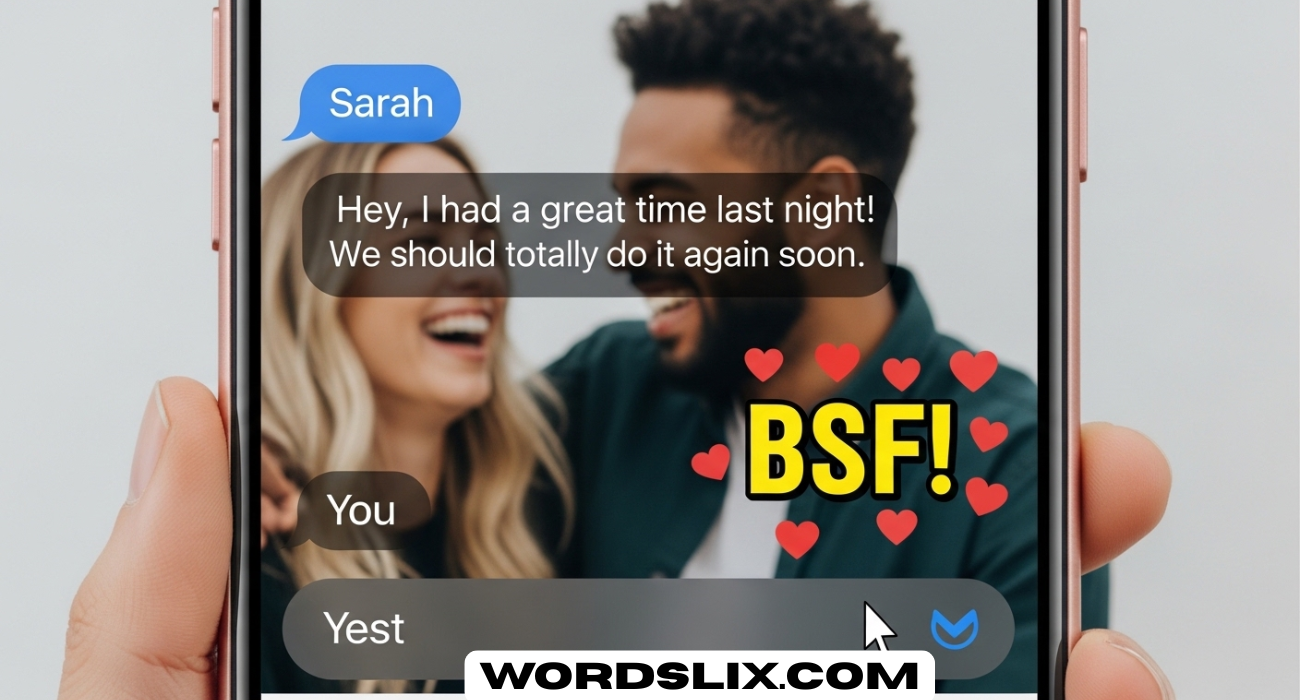
In real-life chats, BSF appears in sentences like, “Thanks for always being there, BSF 🫶,” or “Movie night with my BSF 🎵🍿.” These human-like examples show emotional closeness and trust deeply. The abbreviation works across messaging apps, emphasizing informal language, personal connection, and platonic friendships.
Casual texting with BSF allows friends to express feelings efficiently while keeping messages lighthearted. Its integration into social media posts, group chats, and online conversations illustrates its role in modern texting culture, demonstrating how short forms carry both emotional weight and authenticity in everyday communication.
Emotional Meaning Behind BSF in Text Messages
BSF carries profound emotional depth, signaling loyalty, safety, and appreciation. When someone calls you their BSF, it reflects trust and strong personal relationships. Unlike other abbreviations, BSF conveys emotional closeness in a simple, natural way, often paired with emojis to amplify sentiment.
The term’s psychological impact ensures friendships feel valued and recognized. Using BSF consistently in digital conversations strengthens emotional bonds, highlights trust, and provides a shorthand for expressing care and affection. It captures the essence of meaningful moments without long explanations.
BSF Meaning on Social Media Platforms
BSF maintains its core meaning across all platforms but adapts to each platform’s style. On Instagram, captions and bios often highlight shared experiences. Snapchat uses BSF in stories and private chats to show exclusive closeness. TikTok trends celebrate friendships with short, emotional videos, increasing its visibility and relevance.
Its prevalence across social media reinforces modern slang and casual texting culture. By consistently using BSF, users communicate loyalty, emotional bonds, and personal connections while participating in youthful language trends. This cultural shift ensures BSF remains a recognized term for close friends in digital spaces.
BSF on Instagram
On Instagram, BSF appears in captions like “Forever memories with my BSF ✨” or in bios stating, “BSF since 2015.” These posts reflect shared experiences, trust, and emotional closeness. Pairing emojis with BSF enhances meaning and demonstrates authentic connection between friends in a visual medium.
Instagram trends also show that using BSF signals emotional depth and exclusive closeness, strengthening relationships publicly. Its natural usage in captions and stories allows users to highlight personal relationships while keeping messaging casual, playful, and relatable to followers.
BSF on Snapchat
Snapchat users often include BSF in stories, private chats, or group messages. This practice emphasizes trust deeply, loyalty, and emotional closeness. Snap captions with BSF convey subtle affection and highlight friendships in a fun, ephemeral way that aligns with the platform’s design.
The use of BSF on Snapchat illustrates modern texting culture, where short forms and informal language help maintain personal connections. It allows teens and adults to communicate platonic bonds effectively, ensuring friendships feel intimate even in temporary, digital interactions.
BSF on TikTok
TikTok trends often feature BSF in short videos celebrating friendship. POV clips like “Your BSF understands you without words” highlight emotional bonds and casual texting in action. This platform amplifies youthful language and demonstrates emotional depth in brief, creative content.
BSF’s visibility on TikTok strengthens personal connections by showing everyday moments of trust and loyalty. Users convey exclusive closeness while participating in viral trends, reinforcing the term’s relevance and influence across social media landscapes.
BSF vs BFF: Clear Comparison Table
BSF and BFF both refer to Best Friends, but they differ in tone and emotional expression. BSF feels more grounded, calm, and mature, while BFF leans playful and expressive. Understanding the difference can help readers choose the best term for their personal relationships, casual texting, and online conversations.
Table: BSF vs BFF Meaning in Text
| Term | Full Form | Tone | Popular Age Group | Emotional Depth |
| BSF | Best Friend | Modern, calm | Teens & adults | Deep, personal |
| BFF | Best Friends Forever | Playful, expressive | Teens | Fun, emotional |
The table shows that BSF emphasizes emotional closeness, trust, and personal connection, while BFF is ideal for playful, youthful friendships. Using the right term in digital conversations ensures meaningful moments and authentic communication.
Is BSF Used for One Person or Multiple Friends?
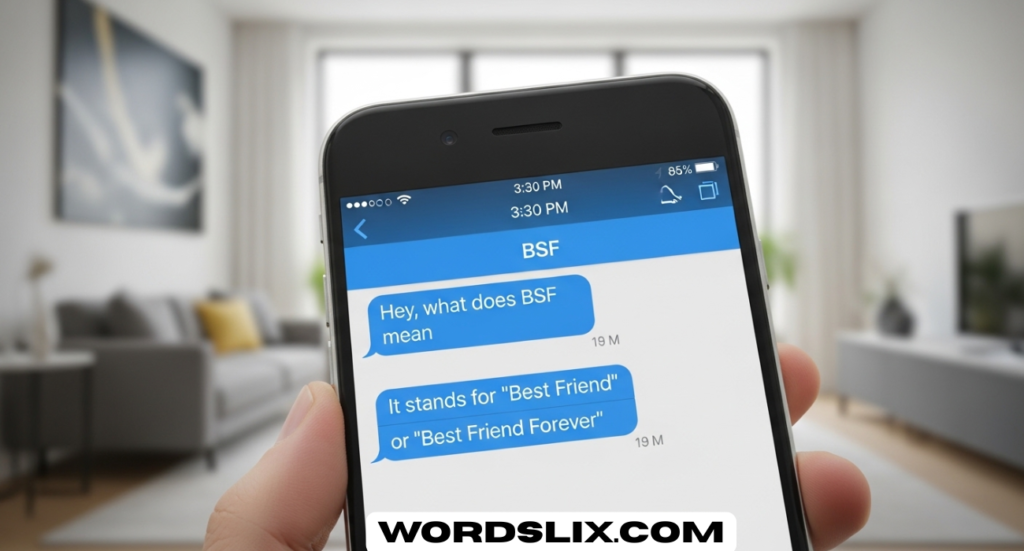
BSF usually refers to one main Best Friend, emphasizing exclusivity and a strong emotional bond. When someone uses BSF in messaging apps or online conversations, it conveys a personal, trusting relationship rather than a casual group of friends. This singular usage reinforces emotional closeness and highlights the value of that friendship in both casual texting and social media posts.
While some people occasionally use BSF for multiple friends, it is less common. Plural usage may appear in group chats or stories where several close friends are mentioned. Even then, the term retains its sense of trust, loyalty, and personal connection, showing that friendships can be both deep and versatile in modern digital communication.
BSF Is Usually Singular
When calling someone your BSF, it often signals that they hold a special place in your life. This singular usage carries psychological impact, making the friend feel trusted and valued. It reflects a personal relationship that is emotionally significant, highlighting the strength of casual texting and online conversations to convey deep emotions efficiently.
Using BSF in singular form enhances emotional depth. People often pair it with emojis to express care and closeness, turning brief messages into meaningful interactions. In modern texting culture, this practice helps friends maintain a strong, platonic emotional bond even when communication is short or digital.
Can BSF Be Used for More Than One Person?
Yes, BSF can occasionally refer to more than one friend, such as “My two BSFs are my safe space.” In messaging apps, plural usage is acceptable but less common because it slightly dilutes the sense of exclusive closeness. Using BSF for multiple friends still conveys trust deeply but may feel less intimate than the singular form.
In group chats and social media posts, plural BSF is often combined with emojis and captions to maintain emotional weight. While it adapts to the context, this usage still reflects personal relationships, casual texting, and modern slang, showing that friendship expressions evolve with digital platforms while retaining authentic meaning.
Cultural Shift: Why Friendship Slang Matters
Short forms like BSF reflect a significant cultural shift in how people communicate online. Text abbreviations and slang help convey feelings efficiently in fast-paced digital conversations. These trends also show how youthful language adapts to social media, messaging apps, and casual texting while keeping emotional meaning intact.
The rise of BSF demonstrates language evolution and the growing importance of emotional closeness in modern communication. Just like traditional expressions of friendship once relied on long words or letters, today’s slang achieves similar impact with fewer words. This shift enhances trust, personal connection, and the ability to share meaningful moments quickly.
Common Mistakes People Make With BSF
Even simple slang can be misused. Some people call someone their BSF too early, which may feel forced or superficial. Others confuse BSF with romantic terms, forgetting that it is platonic. Overusing BSF can also reduce its emotional weight, making friendships feel less special in casual texting or social media posts.
Being mindful of these mistakes improves digital communication. Using BSF appropriately strengthens trust, loyalty, and personal relationships. Avoid rushing the label, clarify platonic intent, and save the term for meaningful moments to maintain the integrity of emotional bonds across messaging apps and online conversations.
Using BSF Too Early
Calling someone BSF too soon can make your relationship feel unnatural. In online conversations, friendship labels carry psychological impact, and premature use may reduce credibility. Taking time allows the bond to develop naturally, enhancing emotional closeness and authentic connection in both casual texting and group chats.
Patience ensures that BSF retains emotional depth and signifies true trust. Friends are more likely to feel valued when the label reflects a genuine emotional bond, and this careful usage strengthens personal relationships in modern messaging apps and social media culture.
Confusing BSF With Romantic Terms
BSF is strictly platonic. Mistaking it for a romantic term can create awkward situations or misunderstandings in digital conversations. Recognizing that BSF emphasizes emotional closeness, trust, and personal connection helps maintain clarity in casual texting and social media posts.
Correct usage reinforces loyalty and ensures friendships remain strong without ambiguity. Incorporating BSF naturally in messages or captions communicates emotional weight and deep appreciation for a Best Friend, keeping relationships healthy and meaningful in both teens’ and adults’ social spheres.
Overusing It
Overusing BSF diminishes its significance. When people sprinkle it into every conversation or post, it loses emotional depth and may feel insincere. Using it sparingly conveys the trust and emotional bond it was meant to carry, preserving its role as a meaningful shorthand for close friendship.
Strategic use in casual texting, group chats, or social media strengthens the emotional effect. Pairing BSF with emojis, captions, or heartfelt context enhances its psychological impact and authentic connection, making each usage memorable and genuine.
How to Use BSF Naturally in Text (Expert Tips)
To use BSF effectively, pair it with emojis to express emotional closeness or insert it naturally into conversation. Casual phrasing works best, like “Rough day, but my BSF made it better.” Avoid overthinking or forcing the label, and let it reflect genuine trust and personal connection.
Digital communication thrives on natural usage. Observing how friends respond and choosing moments that matter ensures BSF retains emotional weight. When used thoughtfully in messaging apps, social media, or casual texting, BSF strengthens emotional bonds while reflecting modern slang trends.
Is BSF Gender-Specific?
BSF is gender-neutral. It applies equally to male, female, and non-binary friends, emphasizing emotional connection over gender. In texting culture, this neutrality allows the term to focus on trust, loyalty, and personal relationships, making it versatile in casual texting and digital conversations.
By being platonic and inclusive, BSF fosters emotional closeness across all social groups. Teens and adults alike can use it confidently in group chats, social media posts, and private messages, reflecting the modern cultural shift toward inclusive friendship slang.
BSF in Different Age Groups
Teen Usage
Teens frequently use BSF in group chats, social media stories, and bios. It reflects emotional depth, trust, and closeness while fitting into youthful language trends. Teens’ digital interactions often blend BSF with emojis, highlighting casual, authentic, and playful expressions of friendship.
The popularity among teens reinforces modern slang and short forms. Using BSF shows a strong emotional bond in digital conversations, enabling young users to signal loyalty, trust, and exclusive closeness in their peer groups efficiently.
Adult Usage
Adults use BSF more selectively, highlighting significant friendships in meaningful moments. Its use signals mature emotional closeness and trust deeply in casual texting, messaging apps, or social media captions. Adults focus on authentic connections rather than playful or superficial use.
This selective application ensures BSF retains its psychological impact and significance. Adult usage emphasizes loyalty, emotional depth, and personal relationships, showing how text abbreviations adapt to age and context in modern digital communication.
Psychological Side of Calling Someone BSF
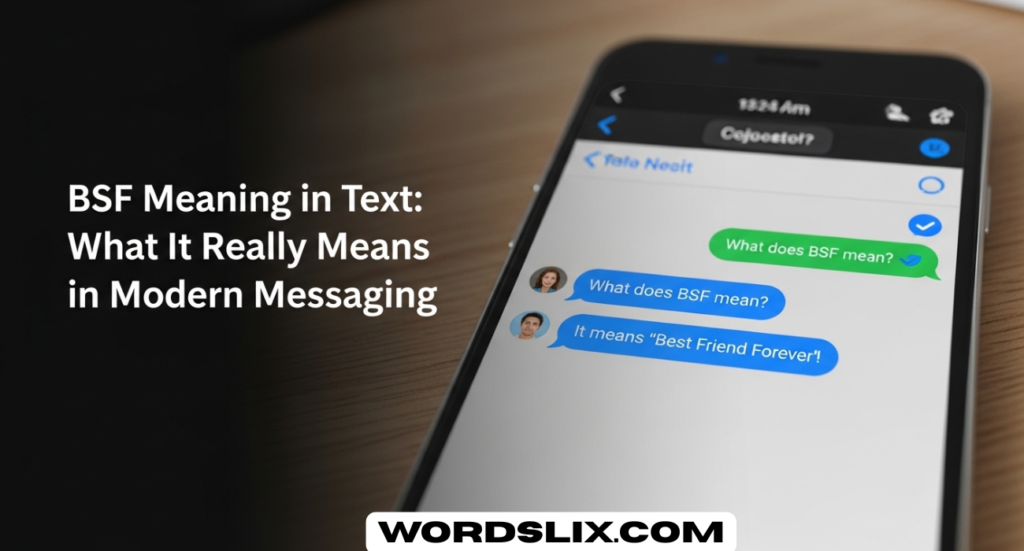
Calling someone your BSF strengthens emotional bonds and fosters trust. In messaging apps and social media, the label creates a sense of security, reinforcing personal relationships. Linguistic studies suggest that naming friendships in digital conversations can deepen emotional connection and strengthen loyalty.
The psychological impact of BSF shows how short forms and slang influence emotions. It communicates care, exclusivity, and closeness, demonstrating the power of modern texting culture to convey complex feelings in simple, natural ways.
Can BSF Meaning Change Over Time?
Yes, BSF can evolve. A BSF today may become a lifelong friend or a distant memory in the future. In texting culture, this flexibility shows that emotional closeness adapts to life changes while digital conversations preserve trust and loyalty during meaningful moments.
Even when friendships shift, BSF retains its core value as a symbol of personal connection. Its emotional weight ensures that using it remains a valid reflection of feelings at that moment, keeping platonic relationships expressive and heartfelt in messaging apps and social media.
Custom Example Sentences Using BSF
“My BSF knows my silence better than my words.” “Late-night talks with my BSF heal everything.” “No filters needed with my BSF.” “If loyalty had a face, it would be my BSF.” These examples show natural casual texting, emotional closeness, and trust deeply, demonstrating how BSF strengthens friendships in both teens’ and adults’ digital conversations.
Using BSF in such sentences creates authentic connection, highlights emotional depth, and reflects modern slang trends. Adding emojis or context ensures that each message conveys care, loyalty, and personal relationships, making the term a versatile tool for communication in digital spaces.
Origins of BSF in Texting Culture
The term BSF emerged as part of evolving texting culture, reflecting how short forms and slang shape communication. Teens and young adults adapted it to show emotional closeness quickly, using it in messaging apps, social media, and casual chats. Its rise demonstrates how digital conversations now balance brevity with meaningful personal connections.
Over time, BSF became a recognizable symbol of friendship, influencing modern slang trends. Its adoption shows the power of informal language in expressing loyalty, trust, and emotional depth. By understanding its origins, readers can better appreciate casual texting nuances and the subtle ways friendship labels reinforce emotional bonds online.
BSF in Professional Digital Communication
While primarily casual, BSF occasionally appears in professional digital communication among colleagues with strong bonds. It conveys trust and emotional closeness without sounding unprofessional. Messaging apps like Slack or Teams may include BSF in friendly messages, showing personal connection while maintaining workplace rapport.
Using BSF in professional contexts requires judgment. The emotional weight of the term strengthens relationships but must remain platonic. When applied carefully, it can enhance teamwork, loyalty, and camaraderie, demonstrating how online conversations blur the line between social media slang and meaningful workplace personal relationships.
Regional Popularity of BSF in the USA
BSF is especially popular among US teens and young adults in urban areas, reflecting social media influence and messaging app trends. Its usage spreads through Instagram captions, TikTok videos, and Snapchat stories, emphasizing trust, loyalty, and emotional closeness among friends.
Regional variations also exist, with some communities favoring BFF or alternative abbreviations. Despite this, BSF remains widely recognized in digital conversations for its ability to convey emotional depth and maintain personal relationships naturally. It showcases how modern texting culture adapts slang for meaningful communication.
BSF in Multicultural Friendships
In multicultural circles, BSF helps friends convey emotional closeness across language barriers. Short forms and text abbreviations like BSF transcend linguistic differences, allowing digital communication to remain clear, friendly, and inclusive. Emojis often accompany the term, enhancing its emotional weight.
The abbreviation fosters personal connection in diverse groups. By using BSF naturally, users maintain platonic emotional bonds while reflecting modern slang and youthful language. It demonstrates how casual texting and online conversations evolve to accommodate global friendships.
Emojis and BSF: Enhancing Emotional Expression
Pairing BSF with emojis strengthens emotional closeness and adds clarity to digital messages. For example, “Thanks for always being there, BSF 🫶” conveys loyalty, trust, and personal connection more effectively than words alone. Emojis highlight emotional depth in short forms and casual texting.
This combination also shows how modern texting culture leverages visual cues to reinforce emotional weight. In social media captions, group chats, or messaging apps, BSF with emojis creates natural human-like examples of affection, platonic trust, and meaningful friendships, improving digital conversations and engagement.
BSF in Long-Distance Friendships
BSF plays a vital role in maintaining emotional closeness in long-distance friendships. Short forms and messaging apps allow friends to communicate quickly while reinforcing trust and loyalty. A simple “Goodnight, BSF ❤️” bridges distance, keeping personal relationships strong.
Using BSF in long-distance contexts also supports casual texting with meaningful intent. The abbreviation conveys emotional depth efficiently, helping friends feel connected even when apart. Its integration into digital conversations reflects modern slang’s role in sustaining emotional bonds across geographies.
BSF as a Symbol of Trust
Calling someone BSF symbolizes trust and platonic loyalty. In messaging apps, short forms like BSF carry emotional weight, signaling reliability and support in friendships. Its use in social media captions strengthens the sense of emotional closeness among close friends.
Trust is reinforced when BSF is used selectively. Overuse diminishes its impact, while thoughtful usage deepens personal connection. Through casual texting and online conversations, BSF helps build authentic connections, highlighting the subtle power of modern slang to shape meaningful emotional bonds.
BSF in Group Chats: How to Use It Effectively
In group chats, BSF emphasizes exclusive closeness while acknowledging shared friendships. Users can highlight special bonds without excluding others, balancing inclusivity and emotional depth. Short forms in messaging apps allow quick, playful communication that strengthens personal relationships.
Effective use of BSF in groups maintains casual texting style while showing trust and loyalty. By combining emojis and context, digital conversations retain clarity and emotional resonance, ensuring that each participant understands the emotional closeness implied in the term.
Influence of TikTok Trends on BSF Usage
TikTok trends popularize BSF through POV videos and friendship challenges. The platform highlights emotional bonds, casual texting, and human-like examples in a short, visual format. Teens and young adults often replicate captions and short forms across messaging apps and social media.
This influence shows how modern slang spreads rapidly, shaping texting culture. Viral content enhances personal connection, emotional resonance, and platonic trust among friends. Using BSF in TikTok trends reinforces its relevance in digital conversations and promotes emotional depth across platforms.
BSF and Emotional Support in Digital Messaging
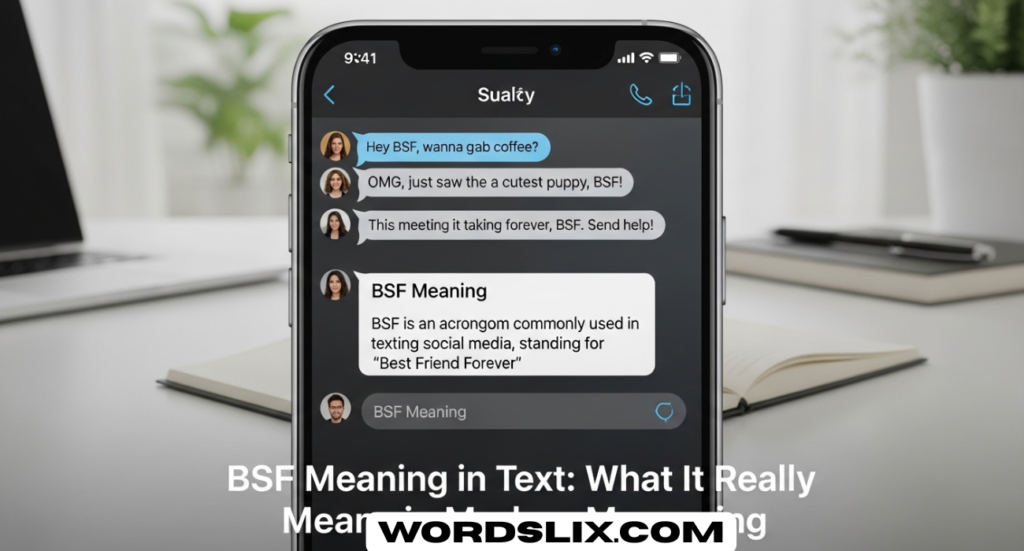
BSF often conveys support and reassurance in messaging apps. Sentences like “You got this, BSF 💪” show trust deeply, loyalty, and emotional closeness. Using short forms in casual texting can uplift friends while keeping communication light and relatable.
The psychological impact of BSF in supportive contexts strengthens personal relationships. Digital conversations featuring BSF reflect emotional depth, platonic trust, and authentic connection. Incorporating it naturally ensures friendships remain meaningful, emotionally safe, and culturally aligned with modern texting culture.
FAQs
What does BSF mean in text messages?
BSF means Best Friend and is used to show trust, loyalty, and emotional closeness in casual texting and social media conversations.
Is BSF the same as BFF?
BSF and BFF both refer to close friends, but BSF feels more mature and grounded, while BFF is playful and expressive.
Can I call more than one person my BSF?
Yes, but BSF is usually singular to show exclusive closeness; using it for multiple friends is less common.
Is BSF used in romantic relationships?
No, BSF is strictly platonic, emphasizing emotional bonds and friendship rather than romance.
Conclusion
The BSF Meaning in Text shows a very close friendship. People use it to tell their friends they trust them and feel a strong emotional bond. This short form works well in messaging apps, social media, and casual texting. It helps friends share feelings quickly and easily. Using BSF adds warmth to digital conversations and makes personal relationships feel stronger. It also shows loyalty and care without needing long words.
Understanding the BSF Meaning in Text helps everyone use it in the right way. It keeps friendships happy and clear. BSF creates emotional closeness, strengthens trust, and keeps messages friendly and real. Using it naturally makes your texts simple, meaningful, and full of care for your friends.