Kink Meaning Slang: Understanding Modern Sexual Preferences in 2026
A kink is a sexual preference or an unconventional desire. It is something a person enjoys in intimacy. People have different kinks and they are normal.
Many people feel shy talking about kinks. Knowing about kink slang makes it easier to understand. Learning about it can help relationships and communication.
Kink meaning slang is used in everyday talk, on social media, and in dating apps. It shows personal preferences and sexual interests. Talking openly helps with sexual literacy and respect.
What Does Kink Mean in Slang?
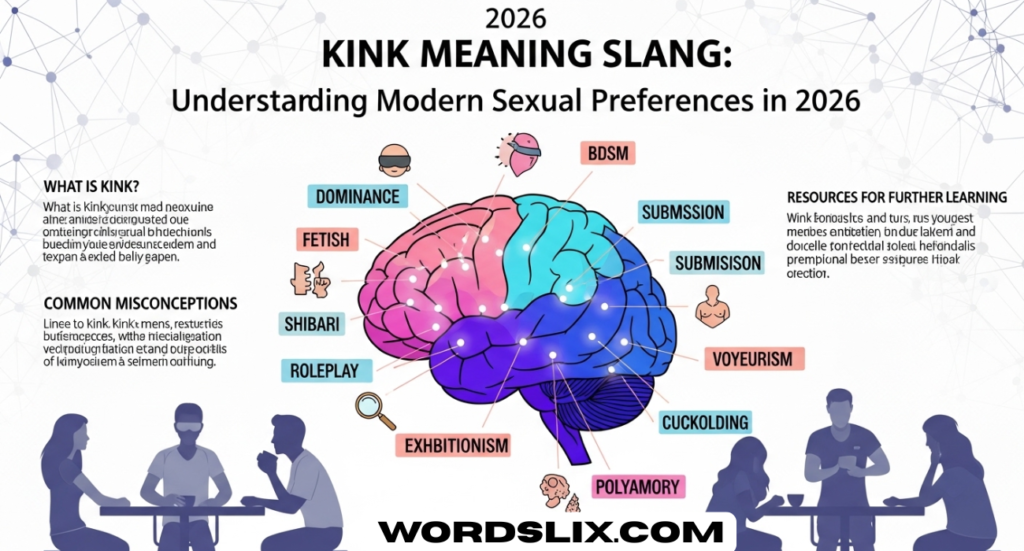
When people mention a kink in slang, they are talking about a personal sexual preference or unconventional desire that goes beyond standard sexual acts. A kink might be something as mild as enjoying certain fantasies during intimacy or more specific like foot fetish or sensory play. The key is that it is consensual and adds playful excitement to relationships.
In the United States, the term is often used in casual conversations, dating apps, and online communities to indicate personal preferences. Discussing kinks openly can foster better communication about sexual health, reduce stigma, and allow couples to safely explore voyeurism, exhibitionism, or other forms of psychological enjoyment. Recognizing and respecting consent is always central to this discussion.
Origins of the Term “Kink”
The word kink originally meant a twist or bend in the early 1900s, referring to physical objects. By the mid-20th century, it evolved in English slang to describe quirky or unconventional habits. In the late 20th century, kink began being used in sexual contexts, highlighting fetishes, role-playing, and other sexual interests that are outside conventional norms.
Today, kink slang appears widely in social media, dating apps, and discussions about sexual wellness. Its evolution reflects changing attitudes toward intimacy exploration and sexual literacy. By understanding the historical development of kinks, we can better appreciate the variety of personal preferences, encourage awareness campaigns, and normalize conversations around fantasies in modern culture.
Read Also;Muse Meaning Slang: A Simple, Clear, and Modern Guide for Everyday Use
Common Contexts Where Kink Is Used
Kinks appear in many everyday settings. On dating apps, people often list their sexual preferences to signal compatibility with potential partners. Sharing unconventional desires helps highlight playful interests and fosters safe discussions about sexual acts. Many use digital platforms to express bedroom creativity, discuss fantasies, or learn from online communities about role-playing and BDSM.
In social media, kink slang is frequently shared in memes, videos, or posts to raise awareness about sexual wellness and intimacy. Even in casual conversations among friends, discussing kinks can improve communication and understanding of psychological enjoyment. Respecting consent and boundaries remains essential, ensuring these discussions promote safe sexual literacy without judgment or stigma.
Dating Profiles
On dating apps, mentioning a kink signals honesty about sexual interests and personal preferences. Profiles often highlight role-playing, BDSM, or sensory play, allowing users to find compatible partners who share similar fantasies. This openness enhances compatibility and makes intimacy exploration safer and more playful.
Listing kinks also promotes sexual literacy by normalizing discussions of sexual acts online. Users in the USA increasingly view personal preferences as part of bedroom creativity, using humor or playful tone to discuss voyeurism, exhibitionism, or other unconventional desires. Respect for consent remains crucial in every interaction.
Social Media

On platforms like TikTok, Reddit, and Twitter, kink slang often appears in educational posts, memes, or videos. Creators use these spaces to increase awareness about sexual health, intimacy, and personal preferences, normalizing casual conversations about fantasies or sexual interests. Online communities allow anonymity while encouraging discussion.
Social media also spreads awareness campaigns that reduce stigma around kinks. People share experiences with role-playing, BDSM, or foot fetish in safe digital spaces. By observing these conversations, users can learn respectful ways to talk about unconventional desires and enhance communication with partners about sexual wellness.
Casual Conversations
Discussing kinks in casual conversations helps people explore sexual interests without pressure. Friends or partners may talk about role-playing, sensory play, or even mild fetishes as part of bedroom creativity. Respecting consent ensures these talks strengthen relationships and reduce anxiety about sexual acts.
Casual discussions also improve sexual literacy, teaching participants about psychological enjoyment, intimacy exploration, and boundaries. By sharing experiences in a playful, non-judgmental way, individuals gain confidence in expressing personal preferences, which is key for healthy communication and safe exploration of fantasies in daily life.
Types of Kinks
Kinks cover a wide spectrum of sexual preferences. Role-playing involves acting out fantasies, while BDSM emphasizes dominance, submission, or physical restraint. Foot fetish focuses on attraction to feet, and sensory play explores touch, textures, or sensation. Voyeurism and exhibitionism involve watching or being watched for pleasure, always with consent.
Understanding different types of kinks improves intimacy exploration and enhances sexual wellness. Couples who experiment safely can increase bedroom creativity while reducing shame. Learning about psychological enjoyment and sexual literacy helps normalize unconventional desires, making relationships more playful, open, and informed about personal preferences.
Related Slang and LSI Keywords
Words like fetish, sexual preference, and unconventional desire help explain kink slang. Other terms, including bedroom creativity, intimacy exploration, and sexual interests, provide context in casual conversations or digital platforms. Role-playing, BDSM, foot fetish, and sensory play often appear together in social media discussions or dating apps.
These LSI keywords support understanding of kinks, promote sexual literacy, and reduce stigma in relationships. By learning related terms, individuals can discuss personal preferences respectfully, explore fantasies, and engage in awareness campaigns that normalize intimacy and sexual wellness across culture and online communities.
Examples of Kink in Sentences
“He mentioned that his kink is role-playing, and they explore it safely,” shows how personal preferences appear in casual talk. Another example: “Toys and sensory play are part of her sexual interests,” illustrating playful bedroom creativity. A third: “They explored new kinks together to enhance intimacy,” highlighting communication and consent.
Using kink slang in sentences helps normalize discussions of unconventional desires and fosters sexual literacy. These examples show how personal preferences can be conversational, playful, and educational, promoting safe sexual acts, psychological enjoyment, and better understanding of fantasies in relationships or digital platforms.
Kink vs Fetish: Understanding the Difference
| Term | Meaning | Example Sentence |
| Kink | A sexual preference or unconventional desire | “His kink is being tied up during play.” |
| Fetish | A sexual fixation on a specific object or body part | “She has a shoe fetish.” |
Kinks are broad, flexible, and focus on playful sexual interests, while fetishes are more specific. Recognizing this difference improves communication, intimacy exploration, and sexual wellness in relationships, ensuring consent and safe expression of personal preferences.
Kink in Digital Platforms
In digital platforms, kink slang appears on TikTok, Reddit, Twitter, and dating apps. TikTok users share educational videos about role-playing, BDSM, or sensory play. Reddit hosts anonymous discussions about personal preferences, while Twitter spreads humorous memes highlighting psychological enjoyment and fantasies.
These platforms allow users to explore sexual literacy, learn about unconventional desires, and participate in awareness campaigns. Listing kinks on dating apps enhances compatibility, encourages intimacy exploration, and ensures safe discussions about sexual acts, boundaries, and personal preferences.
How to Talk About Kink Respectfully
Talking about kinks requires clarity and respect. Use open language, avoid judgment, and prioritize consent when discussing sexual interests. Humor can help, but always ensure your partner feels comfortable. Proper communication strengthens relationships and encourages safe exploration of role-playing, BDSM, or other fantasies.
Respectful discussions enhance sexual literacy, reduce stigma, and normalize casual conversations about personal preferences. Acknowledging psychological enjoyment and intimacy exploration allows couples to grow closer while maintaining sexual wellness. Open dialogue about bedroom creativity creates a safer environment for expressing unconventional desires.
Kink in Popular Culture
TV shows, movies, and music often include kinks to explore character sexuality. Some lyrics reference fetishes humorously or seriously. Online communities normalize kink slang through memes, awareness campaigns, and discussions about sexual interests and fantasies.
Popular culture encourages discussion of role-playing, BDSM, and foot fetish, promoting safe exploration and reducing stigma. By observing these references, audiences improve sexual literacy, understand unconventional desires, and learn respectful ways to integrate bedroom creativity and psychological enjoyment into relationships.
Common Misconceptions About Kinks
Many believe kinks are extreme, but most are mild or playful. Some think kinks are unsafe, yet consent ensures all sexual acts are respectful. Others assume kinks are purely physical, ignoring psychological enjoyment, fantasies, or role-playing scenarios that explore intimacy creatively.
Clarifying misconceptions promotes sexual literacy, reduces stigma, and encourages communication in relationships. Understanding personal preferences allows couples to safely explore unconventional desires, sexual interests, and bedroom creativity without shame, while respecting consent and encouraging intimacy exploration.
Benefits of Understanding Kinks

Learning about kinks enhances sexual literacy and improves intimacy in relationships. It encourages open communication, safe exploration of sexual acts, and better understanding of personal preferences. Couples can increase bedroom creativity while respecting consent and reducing stigma around unconventional desires.
Understanding kink slang also promotes sexual wellness, psychological enjoyment, and intimacy exploration. It normalizes playful conversations about role-playing, BDSM, or foot fetish, fostering safer discussions about fantasies, sexual interests, and healthy relationships in digital platforms or casual conversations.
Examples in Conversations
Person A: “I never knew he liked role-playing.”
Person B: “Yeah, that’s his kink, and they explore it safely with consent.”
Person A: “Sensory play seems weird to me.”
Person B: “Everyone has personal preferences. It’s about mutual communication, fun, and intimacy exploration.”
These examples show how kink slang fits naturally into casual conversations, dating apps, and discussions about sexual literacy, fantasies, and playful sexual interests.
Cultural Relevance of Kinks
In the USA, openly discussing kinks has become more normalized through digital platforms, social media, and educational awareness campaigns. Western culture increasingly values intimacy exploration, safe sexual acts, and respectful discussion of personal preferences. Meanwhile, some conservative communities still approach these topics privately or online.
Global online communities have reduced stigma, promoting safe discussion of role-playing, BDSM, voyeurism, or foot fetish. Understanding kink slang in cultural contexts improves sexual literacy, supports psychological enjoyment, and encourages respectful, playful engagement in relationships, sexual wellness, and intimacy across generations.
Exploring Kink in Long-Term Relationships
In long-term relationships, discussing kinks can strengthen intimacy and communication. Couples who explore role-playing, BDSM, or sensory play together often report higher satisfaction and deeper understanding of each other’s personal preferences. Open conversations about sexual interests allow partners to explore fantasies, reduce stigma, and improve trust in both physical and psychological intimacy.
Experimenting with unconventional desires in committed relationships requires ongoing consent and honesty. Bedroom creativity can include playful experiments like voyeurism, exhibitionism, or foot fetish. By approaching kink thoughtfully, couples enhance sexual wellness, encourage intimacy exploration, and create safe, playful sexual acts that support connection over time.
Kink and Psychological Enjoyment
Many kinks go beyond physical pleasure, providing psychological enjoyment. Activities like role-playing or BDSM can fulfill fantasies, relieve stress, and deepen intimacy. Understanding the mental aspects of unconventional desires improves sexual literacy and encourages safe, informed exploration of sexual interests in casual conversations or within relationships.
Psychological enjoyment also promotes empathy, communication, and trust between partners. Exploring fantasies safely allows individuals to expand bedroom creativity while respecting consent. Learning about mental dynamics of kink slang helps people integrate personal preferences into sexual wellness, creating playful, satisfying, and safe experiences.
Kink and Communication Skills
Talking about kinks requires strong communication skills to ensure consent and mutual understanding. Clearly expressing sexual preferences, limits, and fantasies enhances intimacy exploration and supports playful yet safe sexual acts. Couples can discuss role-playing, BDSM, or foot fetish openly, reducing misunderstandings.
Using digital platforms or casual conversations to share kink slang teaches active listening, negotiation, and respect for boundaries. Effective communication helps partners navigate unconventional desires, increases sexual literacy, and fosters safer engagement in sexual wellness and bedroom creativity without judgment.
Kinks and Sexual Wellness
Exploring kinks contributes to overall sexual wellness by encouraging experimentation and awareness of personal sexual interests. Engaging in role-playing, BDSM, or sensory play safely allows individuals to understand boundaries, enhance pleasure, and reduce shame. Kink slang discussions also improve intimacy and communication skills.
Awareness of personal preferences and consent ensures that unconventional desires remain positive and safe. Participating in online communities or digital platforms for education and sexual literacy reduces stigma and fosters playful sexual acts while supporting stronger, healthier relationships over time.
Kink and Consent Education
Consent is central to every kink. Discussing sexual preferences, limits, and safe words ensures that all parties engage in sexual acts respectfully. Learning kink slang helps partners communicate boundaries clearly, promoting psychological enjoyment and enhancing intimacy exploration in both casual and committed relationships.
Education about consent also reduces stigma and improves sexual literacy. Awareness campaigns, digital platforms, and online communities provide tools to understand unconventional desires. Practicing consent allows couples to explore role-playing, BDSM, or foot fetish safely, maintaining sexual wellness and playful bedroom creativity.
Kinks Across Different Age Groups
Interest in kinks varies across age groups, but open discussions remain essential. Younger adults often share sexual preferences openly on dating apps and social media, while older adults may prefer casual conversations or private exploration. Intimacy exploration and playful sexual acts benefit all age ranges with proper consent.
Understanding age-related differences promotes inclusivity and improves communication about role-playing, BDSM, or sensory play. Older adults exploring unconventional desires gain psychological enjoyment and enhanced sexual wellness, while younger adults develop safe practices in digital platforms and online communities, fostering sexual literacy and reducing stigma.
Kinks and Cultural Differences
Cultural context influences how people discuss and explore kinks. In the USA, unconventional desires are often normalized through digital platforms, social media, and entertainment. In more conservative communities, sexual preferences may be private, explored in relationships or trusted casual conversations. Intimacy exploration still occurs, but discretion is valued.
Understanding cultural differences improves communication, reduces stigma, and promotes sexual literacy globally. Recognizing how role-playing, BDSM, or foot fetish are perceived in various communities allows individuals to approach kink slang respectfully while fostering safe, consensual, and playful sexual acts across diverse cultural contexts.
Kink and Education

Education about kinks enhances sexual literacy and prepares individuals for safe exploration of unconventional desires. Schools, online courses, and digital platforms increasingly include discussions about consent, psychological enjoyment, and intimacy exploration. Understanding sexual preferences supports healthier relationships and bedroom creativity.
Learning about kink slang also reduces stigma and fosters sexual wellness. By integrating knowledge of role-playing, BDSM, sensory play, and foot fetish, individuals gain confidence discussing sexual interests in casual conversations, dating apps, and online communities, ensuring playful, safe, and respectful engagement with personal preferences.
FAQs
What does kink mean in slang?
A kink is a sexual preference or unconventional desire someone enjoys, often explored safely with consent and intimacy.
Is it normal to have a kink?
Yes, having a kink is common and healthy when practiced consensually, and it can enhance bedroom creativity and relationships.
Can a kink be non-sexual?
Some kinks involve psychological enjoyment, role-playing, or fantasies, not necessarily physical sexual acts.
How do I talk about kinks with a partner?
Use open communication, respect personal preferences, and always prioritize consent when exploring unconventional desires.
Conclusion
Understanding Kink Meaning Slang helps people learn about different sexual preferences and unconventional desires. A kink can include things like role-playing, BDSM, foot fetish, or sensory play, and it always needs consent. Talking about kinks openly improves communication in relationships and helps people explore sexual interests safely. Knowing about kinks also teaches sexual literacy, reduces stigma, and encourages playful intimacy in a respectful way.
Learning Kink Meaning Slang also shows how culture and digital platforms make discussions about fantasies normal. People can share ideas on social media, dating apps, or in casual conversations while respecting boundaries. Understanding personal preferences strengthens relationships, supports sexual wellness, and makes intimacy exploration safe and enjoyable for everyone.