
WTMS Meaning in Text: What It Really Means in Modern Slang
WTMS Meaning in Text stands for “What’s the Move, Sis”. It is a short way to ask a friend about their plans. People use it in texting and social media messages.
You might see WTMS in WhatsApp, SMS, or group chats. It looks fun and playful. Many Gen Z and Millennials use it every day online.
WTMS comes from African American Vernacular English (AAVE). It is informal and friendly. People use it to chat casually, coordinate plans, or be playful with friends.
Definition & Meaning
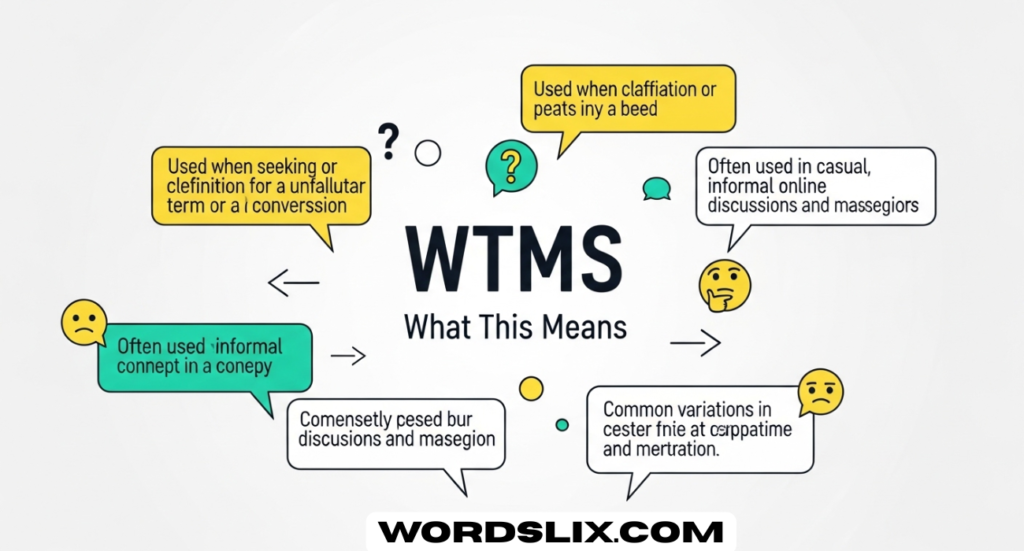
WTMS, short for “What’s the Move, Sis”, is a casual greeting used to check in with someone about their plans. The phrase “What’s the Move?” asks about activities, while “Sis” is an affectionate, often gender-neutral term used for friends. In texting and social media, this informal phrase signals familiarity and playful intent, common in AAVE culture and urban slang.
The definition is simple, yet understanding context is key. Unlike WTM or WYD, which are shorter forms, WTMS adds an emotional layer, signaling friendliness or warmth. It often appears in SMS, WhatsApp, or online chats, making it a go-to term for casual conversation among younger generations. Its usage can be flirty, funny, or just a way to coordinate plans.
Read Also;YFM Meaning in Text: Your Ultimate Guide to Understanding This Slang Acronym
Examples in Use
Imagine texting a friend: you write, “Hey, WTMS tonight?” and your friend replies, “Thinking of hitting the movies. You down?” Here, WTMS sets the tone for a casual and playful conversation, often reflecting familiarity between people. The phrase works in group chats or one-on-one chats, making it versatile in texting culture.
Another example is in gaming communities, where someone might say, “WTMS, squad? Ranked or casual?” It shows a desire to coordinate and engage with others. On dating apps like Tinder or Bumble, WTMS can be flirty or lighthearted. The tone and context determine whether the phrase is friendly, affectionate, or simply a casual invite.
Background & History
WTMS originates from African American Vernacular English (AAVE) and became popular online in the early 2010s. During the early 2010s, “What’s the Move?” became a common informal phrase, and by the mid-2010s, “Sis” was added for warmth and familiarity. Over time, WTMS grew into a friendly slang term used widely among Gen Z and Millennials in the USA.
The spread of WTMS owes much to social media platforms like Twitter, Instagram, and TikTok. Scrolling through feeds, people absorbed this modern slang, integrating it into daily texting and online conversation. Its evolution shows how younger generations use informal language to maintain connections, coordinate plans, and express affectionate or playful tones naturally.
Usage in Different Contexts
WTMS adapts to multiple contexts. In texting or social media, it is a casual way to ask friends about plans or coordinate quick meetups. Phrases like “WTMS after class?” are typical. Its usage signals informal interaction, often carrying a playful or friendly tone, allowing young people to communicate efficiently without formality.
In other online contexts, like gaming communities or dating apps, WTMS can vary in tone. Gamers use it to coordinate play sessions, while Tinder or Bumble users may employ it in flirty or casual conversation. Understanding context ensures the phrase is received as friendly, playful, or simply a casual invite, preventing misunderstandings.
1. Texting & Social Media
In texting and social media, WTMS acts as a friendly check-in for plans. People often send it in group chats or direct messages to maintain a casual conversation. For example, asking, “WTMS later?” conveys playfulness while staying lighthearted. The informal tone is widely recognized among younger generations, especially in the USA.
Its use in online environments also makes it easier to coordinate meetups quickly. Scrolling through WhatsApp or Instagram DMs, many friends use WTMS instead of lengthy texts. It saves time while keeping the friendly vibe intact. This efficiency makes it popular among Gen Z and Millennials who value speed in digital conversation.
2. Gaming Communities
Gamers adopt WTMS to coordinate play sessions or casual matches. It serves as a friendly, informal invitation to join group chats or gaming lobbies. Statements like, “WTMS, squad? Ranked or casual?” reflect playful tones and a desire to bond while playing. Using WTMS in this context strengthens social connections and fosters teamwork.
Its flexibility allows gamers to combine slang, humor, and casual conversation efficiently. Whether in Discord servers or online chat, WTMS becomes a playful shorthand for planning. This reflects the broader trend of younger generations using modern slang and informal expressions to maintain friendship in digital communities.
3. Dating Apps (Tinder, Bumble)
On Tinder and Bumble, WTMS often serves as a flirty or casual conversation starter. People may ask, “WTMS this weekend? 😏”, combining friendly inquiry with humor or light teasing. Its playful tone signals openness and invites a response, allowing younger generations to engage in informal conversation comfortably.
The phrase can also avoid awkwardness, acting as an alternative term for asking about plans without sounding pushy. In these dating apps, context and tone are key, and understanding the informal nuances of WTMS ensures users communicate clearly. This usage highlights its adaptability across social, gaming, and romantic spaces.
Common Misconceptions
Many people think WTMS means, “What’s the matter, sis?”, but that is incorrect. The “Sis” is not necessarily gender-specific and usually refers to a friend in an affectionate, playful way. Misunderstanding WTMS can lead to confusion, especially for those unfamiliar with urban slang or AAVE.
Another misconception is that WTMS is rude or offensive. While the tone matters, using it with friends or peers is generally friendly and lighthearted. Avoid sending WTMS in professional settings to prevent misunderstandings, but in casual texting, social media, or chat, it remains a popular, informal way to ask about plans.
Similar Terms & Alternatives
WTMS has several related phrases. WTM means “What’s the move?” without the Sis, while WYD stands for “What you doing?”, a shorter alternative term. Wanna hang? serves as a more direct casual invite. These alternatives vary in tone but share the purpose of initiating a friendly, informal conversation.
Choosing the right phrase depends on the context and relationship. For friends, WTMS conveys warmth and playful tone. For casual acquaintances, WYD or Wanna hang? might be more appropriate. Understanding subtle differences allows confident use in texting, SMS, or social media, keeping communication smooth and effective.
How to Respond to WTMS
Responding to WTMS depends on your tone and relationship with the sender. You might answer casually with, “Chilling, you?”, or playfully with, “WTMS? Your place, my place, or somewhere fancy?” On dating apps, responses can include humor or a flirty tone, while in professional settings, a more neutral reply works.
Matching the informal tone keeps the conversation flowing naturally. Being aware of context, the relationship, and regional differences ensures your response is appropriate. With confident use, WTMS becomes a versatile way to engage in playful, friendly, or casual conversation across platforms like WhatsApp, SMS, or online chats.
Regional & Cultural Differences
WTMS is very common in urban slang within the USA but may be less familiar in other English-speaking countries. Cultural differences affect comprehension, as younger generations in the US may use it effortlessly, while others might need clarification. Regional differences also impact tone, humor, and frequency of use.
Outside the US, some phrases in AAVE may not translate directly. Even in Canada or the UK, WTMS might appear confusing without context. Understanding these cultural differences ensures accurate usage and prevents misunderstandings when texting friends, scrolling social media, or coordinating plans in international online communities.
Is WTMS Offensive?
Generally, WTMS is not offensive. Its informal and friendly tone makes it suitable for texting friends or participating in casual conversation. However, the tone and context matter. Sending it to someone you don’t know or in a professional setting may appear too familiar or playful.
Proper awareness ensures safe usage. When used with friends, gaming communities, or dating apps, WTMS expresses playful, affectionate, or flirty intent. Misinterpretations mostly occur when the phrase reaches audiences unfamiliar with AAVE, urban slang, or the modern slang culture of younger generations.
Professional Use?
WTMS should be avoided in formal emails or professional communication. While it works well among peers, using it at work may seem unprofessional or confusing. Alternatives like “What are your plans?” or “Are you available?” are safer for professional contexts.
In digital communication, balancing informal language with professionalism is key. For confident use in casual spaces, WTMS shines. In professional spaces, formal alternatives maintain clarity. Knowing when and where to use WTMS ensures smooth communication and prevents misunderstandings in both social and professional conversations.
Table: WTMS vs Similar Terms
| Term | Meaning | Tone/Usage | Context |
| WTMS | What’s the Move, Sis | Playful, affectionate, casual | Texting, social media, dating apps |
| WTM | What’s the Move? | Casual, direct | Friends, group chats |
| WYD | What You Doing? | Neutral, casual | Texting, SMS |
| Wanna Hang? | Casual Invite | Friendly, direct | Plans, informal invites |
How WTMS Reflects Modern Youth Culture
WTMS captures the essence of how Gen Z and Millennials communicate in the digital age. By using slang rooted in AAVE and urban slang, young people express playful, friendly, and informal intentions when asking about plans. This abbreviation thrives on texting, social media, and even WhatsApp, creating a natural rhythm in online conversations that reflects casual daily life.
Beyond mere words, WTMS represents how digital communication shapes social norms. Its gender-neutral nature and affectionate tone make it adaptable across friendships, gaming groups, and dating platforms like Tinder and Bumble. By observing these patterns, we see how language evolves to fit informal contexts, conveying humor, familiarity, and playfulness among younger generations.
Why WTMS Is Popular in Social Media
Social media platforms fuel the spread of WTMS among younger generations. On TikTok, Instagram, and Twitter, users often post stories or messages asking “What’s the Move, Sis?”, creating trends that others quickly adopt. Its casual tone fits perfectly with scrolling feeds, chat responses, or posting about daily plans, making it a recognizable part of modern slang.
The appeal lies in its versatility. WTMS works in group chats, online gaming communities, and direct SMS or WhatsApp messages. Because it’s informal and playful, people can signal interest, coordinate meetups, or maintain friendships effortlessly. Social media amplifies these nuances, showing how informal conversation thrives online and keeps digital interactions fun and friendly.
The Role of Tone in WTMS Usage
Tone is crucial when sending WTMS. A playful, friendly tone signals warmth, while a neutral or formal tone may confuse the recipient. In texting or social media chats, users often pair WTMS with emojis or GIFs to ensure clarity, making it easier to interpret affectionate or flirty intentions without misunderstandings.
Tone also reflects context. In gaming communities, it conveys excitement or coordination. On dating apps like Tinder or Bumble, it can indicate flirty curiosity. The same phrase might feel too casual in professional emails or formal SMS, highlighting how WTMS relies on context and cultural understanding for confident use.
WTMS in Gaming Communities
In gaming communities, WTMS serves as a tool to coordinate matches, events, or casual sessions. Gamers use it in online chat, Discord servers, or messaging apps to invite friends efficiently. Its informal and playful nature fits perfectly with team communication, reducing misunderstandings while maintaining a friendly tone and sense of camaraderie among players.
Gamers also incorporate WTMS in group chats for scheduling practice or leisure matches. Its gender-neutral and affectionate tone allows teams to communicate casually without appearing too formal. By using WTMS, gaming groups can balance online efficiency with social friendliness, keeping interactions fun while staying organized.
WTMS as a Flirty Conversation Starter
On dating apps like Tinder and Bumble, WTMS can serve as a flirty conversation starter. Its playful tone invites friends or matches to respond with plans, creating an easy entry point into chatting. The informal nature signals approachability, showing interest without pressure, making it effective for digital flirting in modern slang contexts.
The abbreviation also reduces awkwardness by offering a casual invite. Asking “WTMS this weekend?” allows the recipient to answer naturally, whether with humor, enthusiasm, or interest. Its friendly, affectionate tone ensures conversations remain lighthearted, playful, and relatable, encouraging smooth communication across SMS, WhatsApp, or online chat.
How WTMS Differs from Other Slang Terms
WTMS differs from terms like WTM, WYD, or Wanna Hang? in tone and intent. While WTM is straightforward and neutral, WTMS adds a layer of playfulness and affectionate familiarity, making it ideal for friends and close social circles. This subtle difference impacts texting, social media, and casual conversation across generations.
WYD focuses on immediate action, asking what someone is doing, while Wanna Hang? is a direct invite. WTMS combines curiosity, humor, and warmth, offering a versatile tool for digital communication. Its unique contextual usage makes it valuable in group chats, gaming communities, or dating apps, highlighting its relevance in informal conversation.
Cultural Impact of WTMS in the USA
WTMS reflects the cultural influence of AAVE and urban slang in American digital communication. By spreading through social media and texting, it illustrates how younger generations shape informal conversation patterns. Its gender-neutral, friendly tone mirrors values of inclusivity and playfulness in modern slang.
The term also shows regional and cultural nuances. In urban areas, WTMS appears frequently, while some suburban or international contexts may be unfamiliar with it. Awareness of these cultural differences helps avoid misunderstandings and ensures confident use in texting, WhatsApp, online chats, and group conversations.
Using WTMS in Professional Contexts Carefully
While WTMS works well among peers, it should be avoided in formal emails or workplace communication. Its informal, playful tone may confuse recipients and reduce professionalism. Alternatives like “What are your plans?” or “Are you free to meet?” convey the same message respectfully and clearly, maintaining proper communication etiquette.
Some workplaces allow casual language in friendly team chats, but context remains key. Using WTMS with coworkers requires awareness of tone, hierarchy, and familiarity. By balancing informal conversation with professionalism, you can maintain both friendly relationships and workplace decorum while understanding modern slang trends.
How to Avoid Misunderstandings with WTMS
Misunderstandings with WTMS often arise from tone, context, or audience. Sending it to someone unfamiliar with AAVE, urban slang, or modern texting culture may confuse them. Pairing WTMS with friendly emojis or additional context ensures clarity in texting, social media, or online chat.
Misinterpretations are common in dating apps or gaming communities, where playful tone may be mistaken for seriousness. Being mindful of the context, relationship, and platform ensures WTMS remains friendly, playful, and informal, allowing smooth communication across SMS, WhatsApp, and group chats without causing confusion.
Future of WTMS and Digital Slang
Digital slang like WTMS evolves rapidly. New abbreviations emerge constantly, shaped by social media, texting, and online culture. Its playful, friendly, and informal nature ensures it remains relevant in AAVE-inspired slang, group chats, and interactions among Gen Z and Millennials in the USA.
Understanding WTMS provides insight into how modern slang adapts to changing communication styles. As technology and platforms evolve, phrases like WTMS demonstrate the balance between efficiency and social warmth, helping maintain friendship, coordination, and playfulness in digital conversations across social media, WhatsApp, and online messaging apps.
FAQs
What does WTMS stand for?
WTMS stands for “What’s the Move, Sis”, a casual and friendly way to ask someone about their plans in texting or social media.
Can anyone use WTMS or is it gender-specific?
Anyone can use WTMS because “Sis” is often gender-neutral, referring to a friend rather than a literal sister.
Is WTMS considered rude or offensive?
No, WTMS is informal and playful, but tone matters; avoid using it with strangers or in professional contexts.
How is WTMS different from WTM or WYD?
WTMS adds a friendly, affectionate layer to WTM (“What’s the Move?”) or WYD (“What You Doing?”), making it more playful in casual conversation.
Conclusion
we learned the WTMS Meaning in Text. WTMS stands for “What’s the Move, Sis”. People use it to ask their friends about plans in a friendly and playful way. It appears in texting, social media, WhatsApp, SMS, and even gaming communities. Gen Z and Millennials use it a lot. The phrase comes from African American Vernacular English (AAVE) and urban slang, making it a part of modern conversation. WTMS shows a friendly tone and is often gender-neutral, so anyone can use it with friends or in group chats.
Knowing the WTMS Meaning in Text helps people communicate better online. It makes messages informal, fun, and easy to understand. People can use it to coordinate plans, chat casually, or show playful affection. It works in social media, dating apps, and gaming communities, keeping conversations smooth and friendly. Using WTMS correctly shows respect for modern slang and makes texting more enjoyable.