YFM Meaning in Text: Your Ultimate Guide to Understanding This Slang Acronym
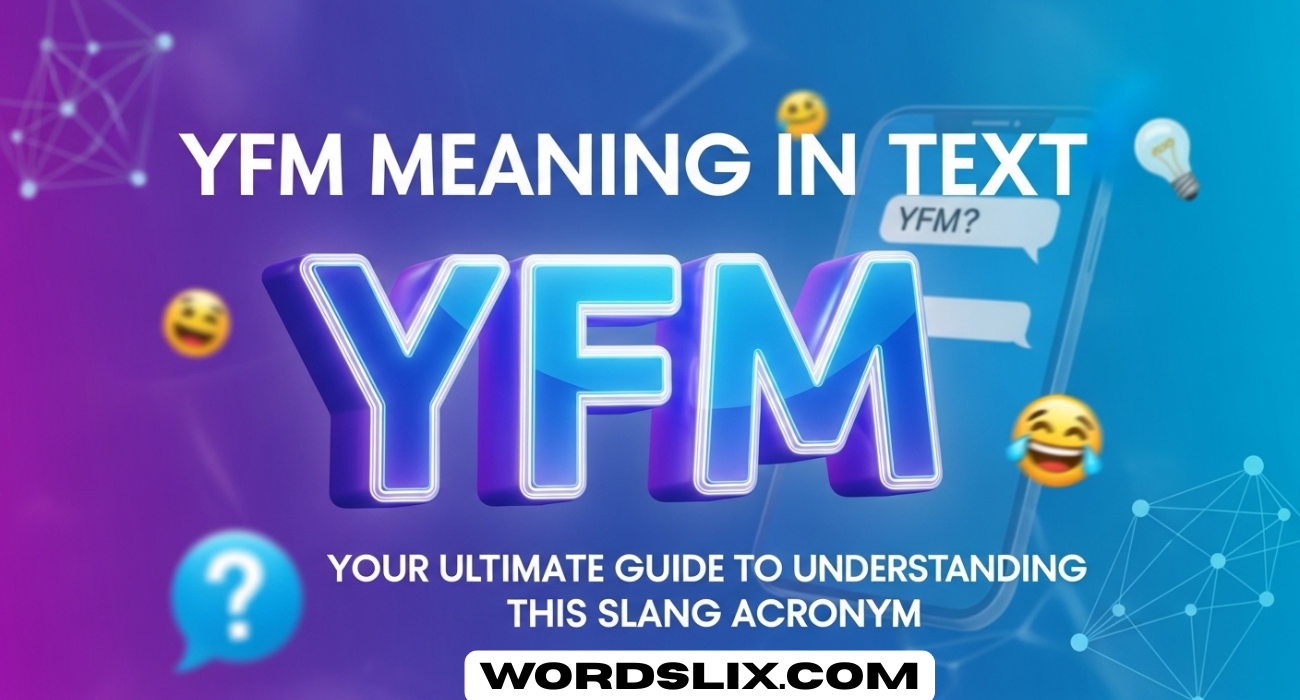
YFM Meaning in Text stands for You Feel Me. People use it in texting, social media, and gaming. It asks if someone can relate or understand what you say.
You might see YFM in chats with friends or online posts. It adds a cool vibe to messages. Many teens and young adults use it every day.
YFM Meaning in Text helps people share feelings quickly. It shows empathy and builds connection. It works in casual chats, group texting, and online conversations.
Definition & Meaning
YFM literally means You Feel Me. It’s used to ask if someone understands your point or can relate to your experience. In texting, it’s often part of a conversation to create empathy and check for agreement. People use it in casual texts, social media posts, or gaming chats to connect without long explanations.
For instance, a texting example could be, “This homework is impossible, YFM?” or in gaming, “That level was unfair, YFM?” It’s a simple acronym, but it carries tone and emotion, helping convey friendliness and a cool vibe. Using it correctly enhances informal communication and strengthens the connection between participants in relaxed settings.
Read Also;YK Meaning in Text: What YK Means and How to Use It in Texting and Online Chats
Background & History
The origin of YFM traces back to African American Vernacular English (AAVE) and casual urban speech, especially in the hip-hop culture of the 1990s. Artists used the phrase to build engagement with listeners, creating a sense of shared understanding. Over time, it spread into teens and young adults’ social media platforms and gaming communities, becoming part of pop culture slang.
The acronym’s rise coincided with the popularity of texting, online chats, and informal chats in social media platforms. While it primarily means You Feel Me, in rare cases, it can stand for Youth for Ministry, but this usage is uncommon. Its slang roots make it flexible, casual, and widely recognizable among young Americans while maintaining its cultural nuance.
Usage in Various Contexts
In texting, YFM checks if someone can relate or understand your feelings. For example, after a long day, a friend might say, “I’m exhausted, YFM?” This shows casual empathy. In social media, it sparks engagement, encourages replies, and adds a friendly, cool vibe to posts. Gamers also use it to share frustration or excitement in a boss fight example, enhancing online bonding.
During party conversations or informal meetups, saying YFM can build rapport quickly. It conveys a lighthearted response, signaling friendliness without demanding a serious answer. Using it in relaxed settings strengthens the connection in casual chats. Its flexibility in tone, from humorous to neutral, allows it to fit various informal communication scenarios effortlessly.
Common Misconceptions & Clarifications
Some people think YFM is meaningless. In fact, it specifically asks if someone understands or can relate. Others assume it’s suitable for professional contexts, which is misleading. In formal emails or meetings, YFM can appear unprofessional. It is primarily a friendly acronym for informal chats and social media posts, designed for teens and young adults or casual conversations.
Another common mistake is thinking it always expects serious replies. Most uses of YFM are lighthearted responses, inviting casual agreement or shared feelings. Misunderstanding it can lead to miscommunication, especially with older audiences or international chats unfamiliar with its slang roots. Awareness of cultural nuance ensures you use YFM appropriately in the right conversation style.
Similar Terms & Alternatives
Other phrases often replace YFM, such as “You get me?”, “Understand?”, or “Relate?”. Each carries slightly different tone and formality. While You get me? works in casual conversations, Understand? suits professional contexts. Meanwhile, Relate? emphasizes emotional connection in social media, dating apps, or online communities.
| Term | Meaning | Best Use |
| YFM | You Feel Me? | Texting, gaming, casual chats |
| You get me? | Similar to YFM | Casual conversations |
| Understand? | Checks comprehension | Professional, formal |
| Relate? | Seeks shared feelings | Social media, personal chats |
These alternatives allow clarity and connection while maintaining appropriate tone. Choosing the right phrase prevents misunderstanding in both informal chats and professional exchanges.
How to Respond to This Term
Responses to YFM vary depending on tone. In a casual text, saying “Totally, I feel you!” conveys friendliness. In humorous conversations, a reply like “Oh yeah, my stomach’s screaming too!” works. For a neutral tone, simply “I understand” suffices. In professional contexts, respond with clarity, like “I understand the situation.”
Matching your response to the tone is crucial. For instance, in dating apps, you might reply with shared interests to keep the conversation lively. In gaming, it’s common to acknowledge frustration sharing with empathy. Correct responses maintain rapport, encourage engagement, and strengthen the sense of connection between participants.
Regional or Cultural Differences
In the United States, YFM is deeply rooted in AAVE, hip-hop culture, and casual urban speech. Its use among teens and young adults on social media platforms and gaming communities is widespread. In other English-speaking countries, it may seem overly informal or slang-heavy, while in non-English regions, the phrase might be misunderstood, requiring alternatives like “Got it?” or “Do you get what I’m saying?”
Understanding regional differences helps prevent misunderstanding. Using YFM in international chats requires awareness of the audience’s familiarity with slang roots. Proper usage maintains a friendly, lighthearted response while keeping the communication style culturally appropriate.
Comparison with Similar Terms
YFM differs from similar phrases by tone and cultural context. While “You get me?” is slightly less slangy, “Understand?” is formal. Relate? focuses on shared feelings, especially in online communities or dating apps. Unlike these, YFM carries a cool vibe, informal friendliness, and strong connection to pop culture.
This distinction matters because tone affects how your message is received. Using the wrong term could result in miscommunication. Understanding these nuances ensures clarity, preserves friendliness, and maintains proper rapport in both casual and semi-formal interactions.
Usage in Online Communities & Dating Apps
YFM thrives in online communities, Twitter/X posts, Discord, and dating apps. On social media, it encourages engagement, sparks replies, and expresses a cool vibe. In dating apps, it signals friendliness and encourages shared interests, helping people bond over mutual hobbies or experiences.
Gamers often use it during frustration sharing or celebrating shared experiences in online matches. Its casual tone makes it ideal for informal communication. Using it strategically in relaxed settings strengthens connection, encourages interaction, and shows you understand the conversation tone naturally.
Hidden or Offensive Meanings
YFM is generally safe and carries no offensive meaning. Its casual nature may confuse outsiders or appear inappropriate in professional contexts. Misusing it in formal emails or serious discussions could damage clarity and rapport. Context matters; using it correctly in relaxed settings enhances friendliness, while inappropriate settings may create misunderstanding.
Even in international chats, the phrase remains safe if used appropriately. Awareness of cultural nuance ensures its use conveys a lighthearted response without offending anyone.
Suitability for Professional Communication

YFM is not recommended for professional communication. It may confuse colleagues and appear too casual. In professional settings, substitutes like “Do you understand?” or “Are we aligned?” are better. Maintaining clarity, tone, and audience awareness ensures messages remain polished.
Using YFM in work emails or serious discussions may reduce credibility. Proper alternatives maintain connection without sacrificing professional context. Understanding when to use informal slang versus formal phrases is essential for effective communication style and ensures everyone comprehends the message.
Why YFM Is Popular Among Teens and Young Adults
YFM has gained popularity among teens and young adults because it’s short, easy to use, and conveys emotion in a casual way. Whether in texting, gaming, or social media platforms, it helps express feelings quickly, showing empathy and creating a friendly connection. Its informal tone resonates with younger audiences looking for relatable communication styles.
Social trends in pop culture and hip-hop culture have reinforced YFM’s usage. It spreads naturally in online communities, gaming chats, and informal chats, creating a sense of shared experience. Teens use it to confirm agreement, add a cool vibe, and keep conversations lighthearted, building rapport with peers while navigating digital social interactions.
How YFM Builds Connection in Conversations
Using YFM in a chat instantly signals that you want to create connection and check for understanding. In casual texts, it helps friends gauge reactions or emotions. In gaming or online communities, it encourages engagement and shared experiences, making interactions feel genuine and friendly, strengthening social bonds.
This acronym works as a bridge in informal communication, helping people align on thoughts or feelings. A homework example in a group chat or a boss fight example in gaming illustrates its role. It communicates tone, fosters empathy, and establishes a friendly conversation style, showing participants that their feelings or opinions are valued.
The Role of YFM in Gaming Communities
Gamers often use YFM to express frustration or excitement during online matches. A boss fight example or challenging level might prompt a message like, “This is impossible, YFM?” It allows players to quickly relate and share emotions without lengthy explanations, creating online bonding through shared experiences and mutual understanding.
Beyond gameplay, YFM encourages casual engagement and humor. Gamers use it to build rapport, add a cool vibe, and include friends in informal chats. It bridges cultural nuances within international gaming communities, maintaining a friendly tone and fostering connection even across regions where English may not be the first language.
YFM and Social Media Engagement
On platforms like Twitter or Instagram, YFM grabs attention and encourages replies. Posts using it create a cool vibe and show relatability. People respond to social media posts to express agreement, empathy, or humor, making the acronym a tool for growing engagement and maintaining a lively, interactive online presence.
Its casual nature works in informal chats and comments, allowing followers to relate instantly. Using YFM strategically enhances friendliness, sparks conversation, and keeps the tone approachable. Brands or influencers who incorporate slang roots like this show cultural awareness, connecting authentically with teens and young adults in their digital communication style.
YFM in Group Chats and Casual Texting
In group chats, YFM helps participants align on feelings, opinions, or reactions. A homework example could be, “This assignment is killing me, YFM?” It signals agreement-seeking, builds rapport, and keeps conversation lighthearted. Its versatility makes it ideal for informal communication among friends.
Group texting also highlights tone and empathy, which can sometimes get lost in digital messages. Using YFM in a chat adds clarity and connection, ensuring participants understand the intent behind messages. It’s a short but effective tool for fostering friendly interaction in casual texts and creating a shared social experience.
YFM in Dating Apps: Creating Relatable Profiles
On dating apps, YFM signals a casual, friendly personality. Adding it to a profile or message shows you are approachable and open to shared interests. It encourages responses, builds connection, and conveys friendliness without being overly formal, creating a natural flow in conversation.
When used in messages, YFM allows users to test compatibility or confirm understanding. In playful or lighthearted exchanges, it fosters empathy, humor, and online bonding. Singles can use it to express themselves with informal communication, encouraging matches to engage and respond in a relaxed, natural style, creating instant rapport.
The Psychology Behind Using YFM
The use of YFM taps into basic human desire for understanding and empathy. Asking someone if they relate validates their perspective and creates a connection. This is why it’s effective in casual texts, gaming, or social media platforms, where tone and context can be misread without cues.
It also promotes engagement in informal chats by encouraging responses. Using YFM makes the sender seem approachable, friendly, and inclusive, reinforcing shared experiences. Its casual tone allows people to express themselves without pressure, fostering friendliness, humor, and a cool vibe in digital communication style.
YFM and Cross-Cultural Communication
While YFM is popular in the U.S., its use varies globally. In English-speaking countries outside the U.S., it may sound too slang-heavy or informal. In international chats, participants may prefer alternatives like “Do you get what I’m saying?” to convey the same meaning without confusing non-native speakers.
Cultural nuance matters when using YFM abroad. Misusing it can lead to misunderstanding, while proper use strengthens connection and rapport. Recognizing regional differences allows participants to maintain friendly tone, shared experiences, and informal communication, making it effective in both casual and semi-formal international interactions.
YFM vs. Other Slang Acronyms
Comparing YFM to acronyms like LOL, BRB, or IDK shows it has a more emotional focus. While others indicate actions or reactions, YFM seeks agreement or empathy, creating connection and fostering shared experiences in informal chats and social media platforms.
Its slang roots and ties to hip-hop culture give it a unique tone. Unlike neutral acronyms, it conveys friendliness, tone, and relatability, making it effective in gaming, texting, and online communities. Understanding these differences helps users maintain clarity, rapport, and engagement with peers in all informal communication scenarios.
Tips for Using YFM Effectively

To use YFM effectively, match your tone to the conversation. In casual texts, it’s perfect for lighthearted responses. In gaming, it expresses frustration sharing or excitement. Avoid professional emails, as its informal communication style may reduce clarity. Always consider audience, setting, and cultural familiarity for proper connection.
Pair YFM with examples or stories to reinforce understanding. A party conversation or homework example illustrates context. In dating apps, it signals friendliness and openness. In social media, it boosts engagement. Using YFM thoughtfully strengthens rapport, conveys empathy, and maintains a cool vibe, making digital communication feel natural.
FAQs
What does YFM mean in texting?
YFM stands for You Feel Me and is used to ask if someone can relate or understand your point in casual texts or online chats.
When should I use YFM in a conversation?
Use YFM in informal settings like social media, gaming, or texting with friends to express empathy, check for agreement, or create a friendly connection.
Can YFM be used professionally?
No, YFM is too casual for professional contexts. In formal communication, use alternatives like Do you understand? or Are we aligned?
Is YFM understood worldwide?
It’s most common in the U.S. due to AAVE and pop culture. In international chats, people might not recognize it, so use clear alternatives to maintain clarity.
Conclusion
YFM Meaning in Text shows how people can check if others understand or relate to their messages. It is short, simple, and works well in texting, gaming, and social media. Using it helps friends share feelings, show empathy, and create a friendly connection. Teens and young adults often use it in casual chats to make conversations more fun and clear.
Learning about YFM Meaning in Text helps everyone communicate better in informal settings. It adds a cool vibe to messages and builds rapport with others. Using it in the right way keeps chats light, friendly, and easy to understand. This simple acronym makes everyday texting and online talking more enjoyable.